Cart
0

Sustainable Back to School: How to Shop Vintage and Used School Supplies
The shopping list is out, the calendar says August, and somehow the back-to-school aisle has gotten more expensive since last year. Again. Before you load up a cart with brand-new everything, there's a better way to check every box on that list — one that saves money, skips the landfill, and hands your kid a backpack with a little more personality than the one every other locker in the hallway has.
Why Go Sustainable This Back-to-School Season
Back to school shopping runs on three things: sustainability, affordability, and the hope that this year's supplies actually feel like yours — not a copy of what's on the shelf at every big-box store in town. Buying vintage and used checks all three. Every backpack, binder, or desk that gets a second life is one less thing manufactured, shipped, and eventually landfilled — and it's one more line item off a back-to-school budget that adds up faster than anyone expects.
Step 1: Make Your List Before You Shop
The treasure hunt is more fun — and more efficient — when you know what you're hunting for. Pull the school supply list first and sort it into two columns: things that make sense new (think hygiene items, underwear, anything that touches skin directly) and everything else, which is fair game secondhand. That "everything else" column is usually longer than people expect: backpacks, binders, folders, rulers, calculators, desks, lamps, bookshelves, and most of the decor for a study space all belong there.
Bring the list with you. It keeps a treasure hunt from turning into an accidental full cart, and it means you're not standing in the aisle trying to remember if your kid needs a 1-inch or 2-inch binder.
Step 2: Know What to Look For
Buying used means doing a quick quality check that a new-in-package item skips — but it only takes a few seconds once you know what to look at.
-
Backpacks: Check zippers glide smoothly, straps are stitched securely at the seams, and there's no fraying at stress points like the bottom corners.
-
Binders and folders: Open and close the rings or clasp a few times. A binder that won't snap shut in the store won't magically fix itself at home.
-
Electronics and calculators: If there's a battery compartment or power button, test it before you buy. Most staff are happy to help you check.
-
Desks and chairs: Give them a gentle wobble test. A little cosmetic wear is part of the charm; structural wobble is not.
Step 3: Shop the Categories
Backpacks and bags. Vintage leather satchels, canvas messenger bags, and gently-used name-brand backpacks all show up regularly. A pre-loved bag with some character beats a plain new one every time — and it costs a fraction of the price.
Desks, chairs, and study nooks. Mid-century modern desks are having a real moment, and they're sturdier than most flat-pack options built in the last decade. Pair one with a well-worn task chair and you've got a study spot with actual staying power.
Notebooks, binders, and office basics. Rulers, staplers, hole punches, and binders show up constantly and are some of the easiest wins — barely used, a fraction of retail, and just as functional as day one.
Books and bilingual finds. Montreal's shelves reflect Montreal's reality: dictionaries, novels, and reference books in both English and French turn up regularly, which makes EcoDepot a genuinely useful stop for bilingual households and francisation needs alike.
Fun extras. Retro lunchboxes, quirky pencil cases, and the occasional wildly patterned binder are the kind of finds that make a kid actually excited to open their backpack. Not essential — but a fun bonus when they turn up.
Step 4: Upcycle What You Already Have
Before buying anything new, take a look at what's already sitting around the house. A few easy upgrades:
-
An old cookie tin or mason jar becomes a pencil and marker holder in about thirty seconds.
-
A worn-out atlas or hardcover book, gutted and reinforced, makes a sturdy bulletin board backing.
-
Mismatched jars or tins, grouped together, turn into surprisingly good craft supply storage.
None of these need a tutorial — just a second look at what's headed for the recycling bin before it actually goes there.
Step 5: Style a Sustainable Study Space
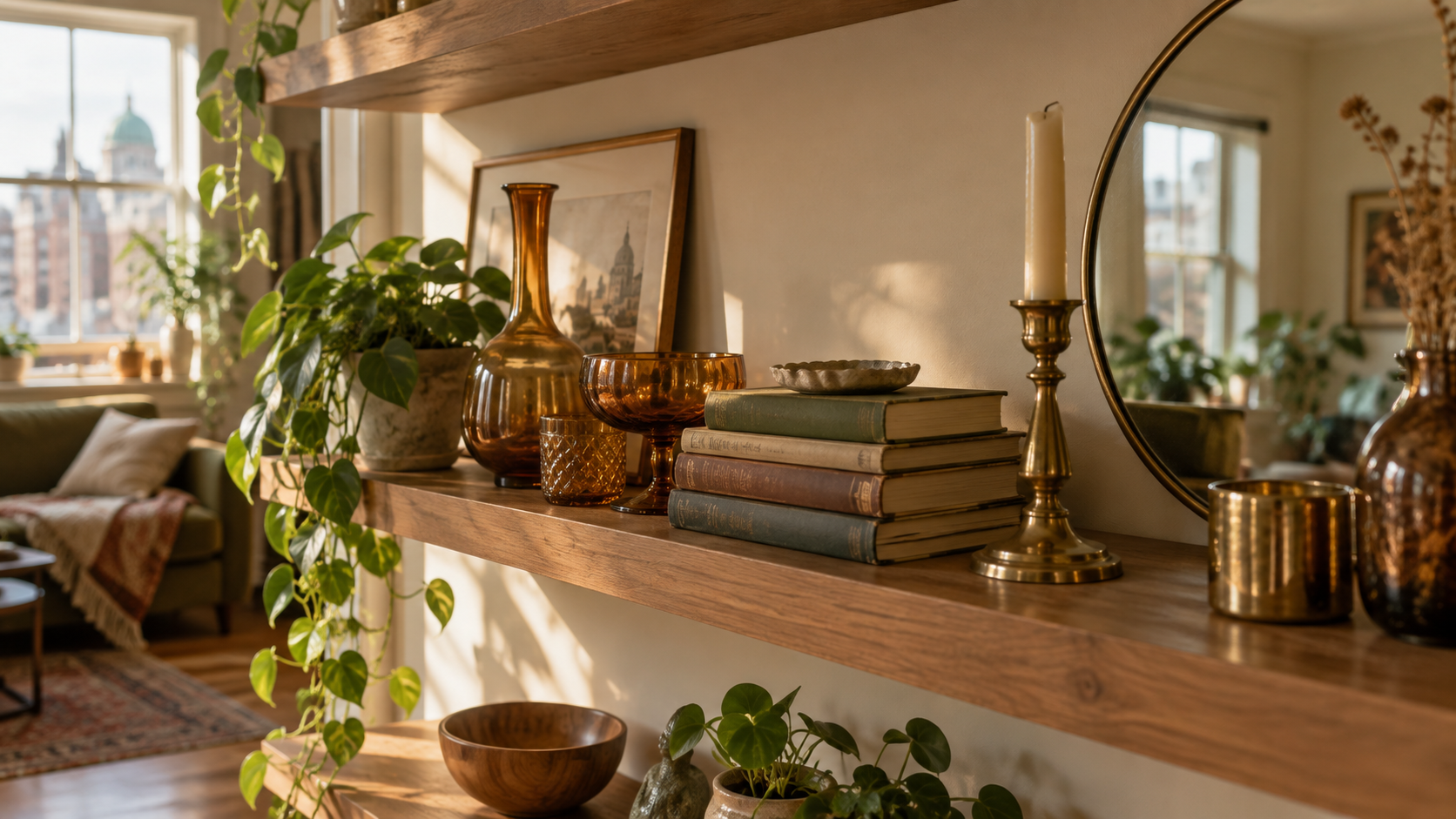
Once the essentials are sorted, the study space itself deserves a little attention. A vintage lamp on the desk, a small rug underfoot, or a mirror on the wall turns a corner of a bedroom into a real workspace — the kind that fits a Plateau walk-up or a Mile End loft a lot better than anything flat-packed. Explore vintage desks and lamps in EcoDepot's Home & Living collection for pieces that make the whole setup feel less like a chore and more like a space your kid actually wants to sit in.
The Bottom Line
Sustainable back-to-school shopping isn't about doing without — it's about doing it smarter. A little planning, a quick quality check, and an open mind about where supplies come from adds up to real savings, less waste, and school supplies with more character than anything off a big-box shelf. New arrivals hit EcoDepot's shelves every week, so the earlier you start the hunt, the better the pickings. Stop by our Lachine or Plateau location before the semester starts, or check what's new online — the best finds tend to go fast.