Chariot
0
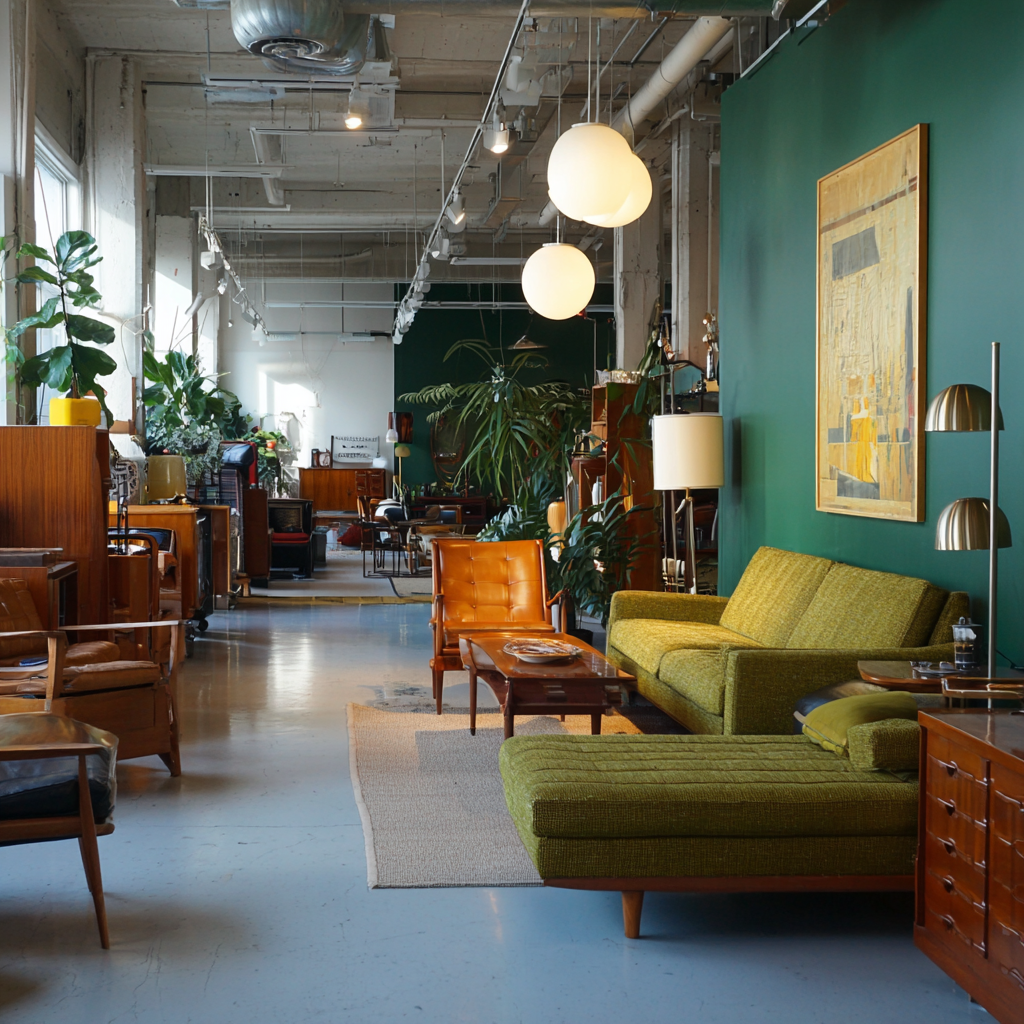
Picture this: You're walking down Rue Notre-Dame on a crisp Saturday morning when you spot it through a shop window—a pristine mid-century teak credenza with those signature tapered legs and brass pulls. Or maybe you're scrolling through Facebook Marketplace late at night and stumble upon a set of Danish modern chairs for a fraction of what reproductions cost. These moments? They're what make hunting for vintage furniture in Montreal so thrilling.
Montreal isn't just any city for vintage furniture hunting—it's a design mecca with a rich history. Back in the 1950s and 60s, this city was at the forefront of modernist design, which means genuine mid-century pieces still surface regularly. Combine that heritage with Montreal's thriving circular economy and bilingual character, and you've got one of Canada's best vintage furniture markets. But here's the thing: knowing where to look saves you hours of aimless searching and helps you snag those treasures before someone else does.
This guide covers Montreal's best vintage furniture sources, from curated boutiques where every piece has been vetted to treasure-hunt thrift stores where patience pays off. We'll explore the historic Notre-Dame antique district, reveal which online marketplaces work best for local pickup, and share insider tips on timing your visits for the freshest inventory. Whether you're furnishing your first Plateau walk-up on a student budget or hunting for an authenticated Eames piece, you'll know exactly where to go.
Curated Vintage & Thrift Stores

Curated vintage stores do the heavy lifting for you. Their buyers spend hours scouring estate sales, auctions, and private collections to bring in quality-vetted pieces. You'll pay fair prices based on market knowledge rather than guesswork, and many offer delivery services—a real advantage when you're dealing with that perfect credenza and a Metro-only commute. These shops strike the sweet spot between thrift store prices and retail markups, with expertise and curation built in.
ÉcoDepôt Montréal
Two locations serving Montreal:
-
Lachine: 187 Rue Richer, Lachine, QC H8R 1R4
-
Plateau: 2117 Rue Rachel Est, Montreal, QC H2H-1R1
Hours: Monday-Wednesday 10am-6pm, Thursday-Friday 10am-8pm, Saturday-Sunday 10am-6pm
If you're serious about finding vintage furniture in Montreal without emptying your wallet, ÉcoDepôt Montréal needs to be on your regular rotation. As Montreal's largest and most unique thrift store, this isn't your typical dusty second-hand shop—it's a curated treasure hunt where quality meets affordability, week after week.
What sets ÉcoDepôt apart is the sheer variety and turnover. Every single week, new vintage furniture arrives at both locations, from mid-century modern credenzas to retro dining sets and statement lighting pieces. One week you might spot an authentic Artemide Tolomeo lamp (the iconic Italian design piece that retails for $400+ new) priced at a fraction of that. The next visit could reveal a Danish teak sideboard with that buttery patina that only decades can create, or a set of vintage chrome chairs perfect for a kitchen refresh.
The mid-century modern selection deserves special mention. Both locations regularly stock MCM pieces—think tapered legs, clean lines, teak and walnut wood, and that effortless 1960s sophistication. Recent finds have included Italian pottery lamps from the 1970s, Art Deco alabaster table lamps, and plenty of storage solutions that work beautifully in today's smaller Montreal apartments. Prices typically range from $50 for smaller accent pieces to $800+ for larger statement furniture, but you're getting quality that would cost thousands new.
Here's what makes shopping at ÉcoDepôt so rewarding: the inventory differs between locations. The Lachine store, with its warehouse-style layout, tends to have larger furniture pieces and is easier to access if you're coming with a vehicle (free parking!). The Plateau location, nestled in one of Montreal's most walkable neighborhoods, attracts a rotating stock of apartment-friendly pieces—smaller credenzas, chairs, lighting, and décor items perfect for those classic Plateau walk-ups.
Shopping strategy matters here. While new stock arrives weekly, becoming a regular means you'll develop an eye for what moves fast and what tends to linger. The staff can often hold items briefly if you need time to arrange pickup, and they're genuinely enthusiastic about helping you find that perfect piece. One customer recently scored a vintage Bernard Buffet art monograph from 1960 and a mid-century pottery lamp in a single visit—the kind of finds that make the hunt addictive.
The real beauty of ÉcoDepôt is how it serves different needs. Students furnishing their first apartments find solid wood pieces that'll last beyond graduation. Young families discover dining sets that can handle real life without the guilt of damaging expensive furniture. Vintage collectors hunt for specific MCM designers and eras. DIY enthusiasts find pieces with good bones ready for refinishing. Interior design lovers score one-of-a-kind conversation starters that no one else will have.
And every purchase carries weight beyond aesthetics. Each vintage lamp, each retro chair, each teak credenza you take home is one less item headed to a landfill. It's quality furniture getting a second life, resources saved, and that distinctly satisfying feeling of choosing sustainable without sacrificing style or budget. The bilingual service makes the experience welcoming whether you're more comfortable in French or English, keeping with Montreal's character.
Both locations are accessible: the Plateau shop is steps from Mont-Royal Metro, while Lachine offers ample free parking for those vehicle-worthy pieces. Check their Instagram @ecodepotmontreal for sneak peeks of new arrivals—sometimes the best pieces get claimed within days of hitting the floor.
Morceau Montréal
Address: 4812 Saint-Urbain, Mile End, H2T 2W2
Hours: Weekends 12pm-5pm, weekdays by appointment
For those moments when you want investment-grade vintage with authenticated provenance, Morceau brings serious design credibility to Montreal's vintage scene. This Mile End boutique-workshop specializes in 20th-century design objects, and they're authorized dealers for heavyweight names like Artemide, Danese Milano, and Ingo Maurer. That authorization matters—you're getting genuine designer pieces, not knockoffs.
What makes Morceau special is the visible workshop. Unlike traditional antique shops hiding their restoration work in basements, Morceau's workspace sits right in front on Rue Saint-Urbain, tucked between a bike courier and a Mexican bakery. You can literally watch pieces being restored and refinished, which adds transparency to the process. The showroom occupies the back space, open weekends and by appointment during the week.
The inventory mixes carefully selected vintage finds with new designer pieces, all vetted for quality and authenticity. Prices reflect this curation—expect to pay mid to high-end rates ($300-$2,000+), but you're investing in pieces with lasting value. This is where serious collectors hunt for specific designers, where interior designers source for clients, and where those with patience find authenticated mid-century icons.
Owner Alain Caron brings deep expertise to Montreal's vintage furniture market. He's watched the city evolve from a place where New York dealers used to raid Amherst Street shops to a sophisticated market where Montreal dealers ship internationally. His knowledge shows in the selection and pricing. The shop also creates custom furniture and offers shipping across North America and beyond, making it a destination for collectors worldwide.
Turquoise's Treasures
Address: Longueuil (South Shore, accessible from Montreal via Longueuil-Université-de-Sherbrooke Metro)
Hours: Variable—check Instagram before visiting
Turquoise's Treasures brings boutique-atelier energy to vintage hunting, offering carefully curated furniture alongside vintage fashion and home décor. Located in Longueuil on Montreal's South Shore, this spot specializes in Mid-Century Modern, retro, and Space Age styles—think atomic-era design, bold colors, and pieces that make statements.
What started as a pandemic pivot from corporate event planning has become a destination for South Shore residents and Montreal vintage lovers willing to make the trip. The selection is intentionally eclectic: vintage furniture mixes with home décor, fashion finds, jewelry, candles, and curated goods from local small businesses. Prices stay in the affordable to mid-range territory, making it accessible for most budgets.
The real draw here is the monthly pop-up markets (previously called Méga Pop-Up Vintage & Self-Care), where multiple local vintage vendors gather under one roof. It's community-oriented shopping that supports small businesses while giving you access to different curators' finds in one visit. The owner sources pieces with care, spending free time hunting for "beautiful vintage treasures" to share with customers.
Pro tip: Always check their Instagram before making the trip, as hours can vary. But if you're South Shore-based or looking for unique statement pieces with character—and don't mind browsing fashion and home goods alongside furniture—Turquoise's Treasures offers that treasure-hunt thrill in a boutique setting.
I
Montreal's Notre-Dame Antique District
Some cities have scattered antique shops. Montreal has an entire district dedicated to them. The Notre-Dame Street West corridor, stretching through the Saint-Henri neighborhood toward Atwater Avenue, concentrates 15+ antique dealers along a walkable stretch. Free street parking makes it vehicle-friendly, and the density means you can compare pieces, styles, and prices across multiple shops in a single afternoon.
This is Montreal's historic antique hub, where pieces unique to Quebec's history sit alongside Scandinavian imports, mid-century gems, and European antiques spanning multiple centuries. The district attracts serious collectors and casual browsers alike—you'll find museum-quality pieces alongside more accessible vintage furniture. Plan 2-3 hours minimum if you want to explore thoroughly. Most shops keep Wednesday through Sunday hours, typically 11am-5pm, with weekend afternoons being the busiest.
Grand Central Inc
Since 1980, Grand Central Inc has anchored the heart of Montreal's antique district with a focus on antique light fixtures. But don't let that specialization fool you—they carry an impressive selection of 18th and 19th-century furniture alongside those chandeliers. Think French and European pieces with provenance: clocks, mirrors, porcelain, decorative objects, and furniture that tells stories spanning centuries.
This is high-end territory, with prices reflecting quality, age, and rarity ($500-$5,000+). The shop serves collectors seeking specific period pieces, designers sourcing for historic home restorations, and those who appreciate craftsmanship from eras when furniture was built to last generations. If you're restoring a century-old Montreal home and need fixtures or furniture that match its vintage, Grand Central's expertise becomes invaluable.
Antiques Loft 9
Antiques Loft 9 takes a more eclectic approach, mixing vintage and modern furniture with retro accessories, jewelry, lamps, fine art, and paintings from Europe and America. Owner Peter brings knowledge and personalized service that regulars appreciate—he knows his inventory deeply and loves sharing the stories behind pieces.
The mix here works for accent piece hunters. Maybe you need a vintage lamp to complete a reading nook, or you're searching for that perfect side table with character. Prices range from mid to high-end, and the variety means most visits yield at least one "I could see that in my space" moment. The shop attracts design enthusiasts looking for one-of-a-kind finds that add personality to modern interiors.
Milord Antiques
For serious collectors and those seeking museum-quality pieces, Milord Antiques specializes in 18th, 19th, and 20th-century furniture alongside works of art and decorative arts. This is investment-level antiquing—pieces come with authentication and provenance documentation, and prices reflect their place in design history.
Interior designers sourcing for high-end clients frequent Milord, as do collectors building serious furniture collections. The expertise here runs deep, with staff who can discuss makers, movements, and the historical context of each piece. If you're looking to invest in furniture as art, this is where that conversation happens.
Shopping the District
The Notre-Dame antique district rewards strategic exploration. Start at one end and work your way down the street, popping into shops that catch your eye. Some dealers happily negotiate, especially if you're buying multiple items or returning as a regular customer. Weekend afternoons see all shops open simultaneously, making it the ideal time for comprehensive browsing.
Bring measurements of your space, photos of your existing furniture, and patience. High-end antiques aren't impulse buys—you're choosing pieces that'll last another century. The free street parking is a real advantage when you score that perfect armoire, though navigating the one-way streets takes some attention.
Online Marketplaces & Digital Options
Sometimes the perfect vintage furniture lives three neighborhoods away, listed by someone who just wants it gone before moving day. Online marketplaces expand your options beyond geographic limits, let you comparison shop from your couch, and often yield budget-friendly deals. The trade-off? You're doing your own vetting for quality and authenticity, arranging your own pickup, and occasionally dealing with flaky sellers. But when you score that Danish modern credenza for $200, the extra effort feels worth it.
Facebook Marketplace
Facebook Marketplace has become Montreal's digital vintage furniture hub. The hyperlocal nature means you're shopping within specific neighborhoods—and in Montreal, neighborhoods matter. Search Mile End, Plateau, NDG, or Westmount, and you'll find quality pieces reflecting those areas' character. Westmount estate cleanouts yield luxury furniture; Plateau apartments turn over smaller-scale vintage pieces perfect for walk-ups.
The platform's strength is its search functionality. Filter by distance (5km keeps you in immediate pickup range), price range, and condition. You can save searches and get notifications when new listings match your criteria. Search in both French and English to catch everything—"commode vintage" yields different results than "vintage dresser," and many sellers only list in their preferred language.
Best practices: Message quickly when you see something great (desirable pieces vanish within hours). Ask specific questions about dimensions, damage, and whether the seller has vehicle access for loading. Arrange meetups in public, well-lit locations or at the seller's address during daylight. Bring cash and a friend with a vehicle. Negotiation is expected but be reasonable—Montreal's vintage market is savvy enough that listings are usually fairly priced.
The real magic happens when you develop an eye for underpriced gems. Someone's "old brown dresser" might be solid walnut mid-century with gorgeous grain. That "retro couch" could be an authentic Adrian Pearsall piece worth thousands. Learning to spot quality in mediocre photos becomes its own skill.
Kijiji Montreal
Kijiji remains surprisingly active in Montreal's vintage furniture market. The platform skews slightly older demographically, which sometimes means sellers are less aware of market rates—good news for buyers with knowledge. The advanced search filters help you narrow by furniture type, and you can set up email alerts for specific keywords.
This is where estate sale companies often post announcements, making it valuable for those willing to show up at 8am on a Saturday when the doors open. Search terms like "mid-century," "Danish modern," "teak," or "vintage" in both languages. The listings tend toward detailed descriptions compared to Facebook's more casual approach.
Response time matters on Kijiji, just like Marketplace. The best deals get claimed within the first few hours of posting. Check new listings multiple times daily if you're hunting something specific. Many sellers expect negotiation, so don't be shy about making reasonable offers—especially if you can pick up same-day.
St-Michel Flea Market
The St-Michel flea market occupies a grittier niche in Montreal's vintage furniture landscape. This weekend market hosts rotating vendors in a dusty warehouse environment where the treasure-to-junk ratio requires patience. You'll wade through piles of hockey cards, comic books, old tools, and knick-knacks to find furniture pieces, but occasional gems surface: Sputnik lamps, solid wood desks, vintage storage solutions.
Bring a flashlight to inspect dark corners and crevices. Expect heavy negotiation—opening prices are often double what vendors actually expect. Cash is king, and many vendors drop prices significantly near closing time on Sunday. This isn't for everyone, but adventurous hunters and those seeking project pieces (furniture with good bones but needing refinishing) can score deals here.
Specialty & High-End Dealers
Sometimes you want more than a good deal—you want guaranteed authenticity, impeccable condition, and pieces with documented history. Specialty and high-end dealers serve this niche, offering investment-grade furniture where provenance and expertise justify premium prices. These are pieces you'll own for life, potentially appreciating in value while serving as functional art in your home.
Estate Sales
Estate sales represent one of Montreal's best-kept vintage furniture secrets. When entire households go up for sale—usually due to downsizing, moving, or inheritance situations—quality furniture hits the market at prices often below retail antique shops. The challenge is finding them and getting there early.
Watch for estate sale announcements on Kijiji, Facebook, and specialized estate liquidation company websites. Sales typically run Friday through Sunday, with entry by order of arrival. Serious buyers queue up 30-60 minutes before opening. You won't know prices until you're inside viewing items—it adds gambling excitement to the hunt.
Montreal estate sales often reflect the city's design history. Homes furnished in the 1950s-70s yield genuine mid-century pieces. Westmount and Outremont estates sometimes reveal museum-quality antiques. One shopper's legendary find: a 100-pound ornate brass headboard for $65, transported home via Uber XL.
Come prepared with measurements, cash, and realistic expectations about condition. Estate sale furniture is sold as-is, often with decades of wear. But the prices reflect this—you're getting wholesale rates with some digging required.
Consignment Shops
Consignment shops occupy the middle ground between thrift stores and high-end dealers. Sellers bring quality furniture they no longer need; the shop vets pieces for condition and marketability, then splits proceeds when items sell. For buyers, this means curated selection without thrift store time investment.
Montreal's consignment shops dot various neighborhoods, each reflecting its local character. You'll find contemporary pieces alongside vintage furniture, often in better condition than typical thrift store stock. Prices run higher than thrift stores but considerably lower than retail—think 40-60% off original retail prices.
The advantage here is quality control. Consignment shops refuse damaged or low-quality pieces, so you're shopping pre-vetted inventory. Many offer delivery for a fee, solving the perennial vintage furniture challenge of "how do I get this home?" If you want curated selection without the full antique shop markup, consignment bridges that gap nicely.
Shopping Strategy for Montreal Vintage Furniture Hunters
Successful vintage furniture hunting requires more than knowing where to shop—it demands strategy. Montreal's market has rhythms and patterns that savvy hunters exploit. Understanding budgets, styles, neighborhoods, and timing transforms random browsing into targeted treasure hunting.
By Budget
Under $200: Start with ÉcoDepôt's weekly new arrivals, where smaller pieces and occasional underpriced gems appear regularly. Facebook Marketplace and Kijiji yield great deals in this range, especially end-of-month when people need to move fast. The St-Michel flea market can work if you're patient and skilled at negotiating. Don't overlook side tables, chairs, lighting, and storage pieces—small accents often punch above their price point for impact.
$200-$800: This sweet spot opens up ÉcoDepôt's statement pieces—mid-century credenzas, quality dining sets, authentic vintage lighting. Turquoise's Treasures and Notre-Dame district shops start becoming accessible. Online marketplaces still work here for solid wood pieces, especially from sellers who just want furniture gone. You can furnish entire rooms at this level with patience and regular hunting.
$800+: Now you're entering authenticated designer territory. Morceau's 20th-century design pieces, high-end Notre-Dame dealers like Milord, and museum-quality estate sale finds all open up. This budget gets you investment furniture—pieces that hold or increase in value while serving your space beautifully. Think authentic Eames, documented antiques, rare designer lighting.
By Style
Mid-Century Modern: ÉcoDepôt sees regular MCM arrivals—check both locations weekly. Morceau offers authenticated pieces with provenance. Notre-Dame dealers stock MCM alongside other eras. Online marketplaces work if you learn to spot authentic pieces in amateur photos. Search terms: "mid-century," "MCM," "Danish modern," "teak," "walnut," "atomic age," "space age."
French Provincial/Traditional: Grand Central and Milord Antiques specialize in French and European pieces. The Notre-Dame district generally leans traditional. Estate sales in older Montreal neighborhoods (Outremont, Westmount) often yield French-Canadian heritage furniture. This style requires patience—it's less common than MCM in Montreal's current market.
Industrial/Retro: ÉcoDepôt's rotating inventory includes industrial pieces, retro electronics, and vintage storage. Online marketplaces and the St-Michel flea market yield raw industrial finds. Look for metal filing cabinets, factory stools, warehouse lighting, and shop furniture being cleared from closing businesses.
Designer/Authenticated: Morceau and high-end Notre-Dame dealers document provenance. Estate sales occasionally reveal designer pieces owners never knew they had. Learning designer maker's marks helps you spot underpriced treasures on online marketplaces—knowledge becomes your competitive advantage.
By Neighborhood Route
Plateau/Mile End Circuit: Start at ÉcoDepôt's Plateau location (2117 Rue Rachel Est), then walk to Morceau on Saint-Urbain. Browse online marketplaces focusing on local Plateau/Mile End listings. This route works car-free via Metro—Mont-Royal station puts you central. The neighborhood's high apartment turnover means frequent furniture listings.
Lachine/West Island: ÉcoDepôt's Lachine location (187 Rue Richer) offers free parking and warehouse-scale browsing. From there, drive 20 minutes to the Notre-Dame antique district. This route works best with a vehicle for transporting larger pieces. West Island estate sales often list here too.
South Shore: Turquoise's Treasures in Longueuil serves as your anchor, accessible via Metro (Longueuil-Université-de-Sherbrooke). Combine with online marketplace searches targeting South Shore neighborhoods—Brossard, Saint-Lambert, Longueuil proper. Moving season sees significant furniture turnover here.
Timing Your Hunt
Weekly patterns: ÉcoDepôt receives new inventory weekly—becoming a regular helps you learn their schedule. Many thrift and consignment shops restock Monday-Tuesday after weekend donation drops. Online marketplaces see heaviest listing activity Thursday-Sunday as people prep for weekend moves.
Seasonal rhythms: Spring (April-May) and fall (September-October) align with Montreal's moving season. July 1st, Quebec's traditional moving day, creates massive furniture turnover—the week before and after sees peak listings. Winter slows the market slightly, but indoor browsing intensifies.
End-of-month patterns: Montreal's rental market clusters around first-of-month leases. The last week of any month sees people frantically listing furniture before moves. This creates buyer leverage—sellers need items gone fast, prices drop, negotiation succeeds.
Estate sale timing: Arrive early—seriously early. The best pieces get claimed in the first hour. If you can't make opening, try the final hours on Sunday when vendors discount heavily to avoid hauling items back.
Montreal-Specific Tips
Bilingual searching doubles your results. Search "commode vintage" and "vintage dresser," "meuble mid-century" and "mid-century furniture," "vaisselier antique" and "antique hutch." Many sellers only list in their preferred language—you'll miss half the market searching just English or just French.
Plateau and Mile End apartments mean smaller-scale pieces dominate these neighborhoods' listings. Walk-ups favor furniture that fits narrow staircases. If you need apartment-friendly furniture, focus here. Conversely, West Island and suburbs yield larger pieces suited to houses.
West Island and Westmount estate sales often feature luxury furniture at fraction of original cost. Watch for listings in these areas—you're accessing accumulated wealth being liquidated, often with sellers unaware of true values.
Winter logistics matter. Snow, ice, and cold complicate furniture pickup. November through March, prioritize stores offering delivery or plan pickup carefully. A truck or SUV becomes essential. Many online sellers won't help load in winter—bring help.
STM transit limitations: Montreal's Metro prohibits large items during rush hours and at conductor discretion. Buses are more flexible but still challenging with furniture. Plan on vehicle access for anything beyond small accent pieces. Some sellers on online marketplaces offer delivery for a fee—often worth it.
What to Look for When Buying Vintage Furniture in Montreal
Knowledge separates treasure from trash when hunting vintage furniture. Understanding quality indicators, condition red flags, and fair pricing helps you invest wisely—whether you're spending $50 or $5,000. Montreal's humid climate and bilingual market add local considerations to universal furniture-buying wisdom.
Solid Wood vs. Particle Board
This distinction matters more than any other factor. Solid wood furniture lasts generations and justifies restoration effort. Particle board (compressed wood chips and glue) deteriorates within years and crumbles when damaged. Montreal's vintage stock frequently features teak, walnut, oak, maple, and pine—all solid woods worth your time and money.
How to identify solid wood: Check edges and corners where veneer might peel away, revealing core material. Solid wood shows continuous grain patterns. Look at unfinished areas—drawer bottoms, furniture backs, undersides. Solid wood has visible grain and texture. Particle board appears smooth, uniform, often with a different color from visible surfaces. Tap the wood—solid produces resonant tone, particle board sounds dull and flat.
Weight tells stories too. Solid wood furniture is surprisingly heavy for its size. If you can easily lift a large credenza alone, suspect particle board or hollow construction. Why does this matter? Solid wood can be refinished, repaired, and restored. Scratches sand out. Dents steam out. Water damage (within reason) can be fixed. Particle board? Once damaged, it's done. Swelling from moisture is permanent. Stripped screws won't tighten again.
Teak, common in Montreal's mid-century stock, develops a beautiful honey-colored patina with age. It's naturally water-resistant and incredibly durable—Danish modern teak furniture from the 1960s looks stunning today with simple cleaning. Walnut shows deep, rich brown grain. Oak features pronounced grain patterns and legendary durability. Maple offers fine grain and light color. Learn these woods by sight—your eye will start catching quality pieces from across the room.
Condition Assessment
All vintage furniture shows wear—that's called patina, and it adds character. Your job is distinguishing acceptable wear from damage requiring expensive repair. Montreal's humid climate means checking for warping, joint stability, and moisture damage.
Acceptable wear includes: Surface scratches that sand out easily. Faded finish that refinishing fixes. Minor dings and dents adding character. Tarnished hardware (brass polishes beautifully). Drawer tracks showing use. Ring marks from glasses (often removable with gentle treatment). Small veneer chips at corners. These are cosmetic issues that don't affect structure or function—and often they're what drops the price into affordability.
Red flags include: Significant warping, especially in wood that should be flat. Warped drawers that don't close. Warped table leaves or tops. This indicates serious moisture exposure. Broken or loose joints—rocking legs, wobbly frames, separated corners. Repairs are possible but costly. Missing parts, especially for unique pieces where replacements are hard to find. Active pest damage—fresh sawdust, small holes, or crumbling wood suggests ongoing insect problems. Deep gouges or burns requiring professional repair. Extensive veneer loss exposing large areas of core wood.
Montreal's humidity affects vintage furniture uniquely. Check joints carefully—Montreal's seasonal humidity swings (dry winters, humid summers) stress furniture joinery. Solid wood expands and contracts with humidity; quality construction accommodates this with proper joinery. Poorly made pieces separate at joints. Look for drawers that stick or bind—humidity may have swelled the wood. Some seasonal binding is normal and fixable, but extreme binding suggests problems.
Test everything functional. Open all drawers—they should glide smoothly and fully extend. Check drawer bottoms for cracks or sagging. Open doors and ensure they close properly. Test hinges for rust or looseness. For upholstered furniture, press cushions to assess foam condition. Sit on chairs and sofas—structure should feel solid, not creaky. Pull cushions off to inspect frame and springs if possible.
Price Verification
How do you know if that $400 credenza is a steal or overpriced? Research transforms guessing into informed decision-making. Sites like Chairish and 1stDibs show what similar pieces sell for across North America. Even if you're buying in Montreal, these sites establish baseline values for authenticated vintage furniture.
Montreal's market generally prices 20-40% below Toronto and major US cities—lower cost of living, abundant supply from the city's design history, and less investor speculation keep prices reasonable. A mid-century credenza fetching $1,200 in Brooklyn might list for $600-800 in Montreal. This price advantage makes Montreal excellent for building vintage furniture collections.
Online marketplace listings vary wildly. Some sellers research thoroughly and price fairly. Others guess based on what they paid originally or emotional attachment. Your advantage comes from knowledge—learn what solid teak credenzas actually sell for, and you'll spot underpriced gems. Search sold listings on Facebook Marketplace to see actual selling prices versus asking prices.
Negotiation culture varies by venue. Online marketplaces? Always negotiate, usually 10-20% below asking. Antique shops on Notre-Dame? Some negotiate, some don't—look for "firm" in listings or ask politely. Estate sales? Negotiation happens, especially on final day. ÉcoDepôt and thrift stores? Prices are set, but occasionally they'll work with you on multiple item purchases.
Authentication matters for investment pieces. Maker's marks, labels, and signatures confirm designer furniture authenticity. Know where to look: underside of tables, inside drawers, on furniture backs, beneath cushions. Original labels add value and peace of mind. For expensive pieces, consider asking dealers about provenance documentation—serious antique shops maintain acquisition records.
For insights on Canada's growing thrift culture, check the 2024 Savers Thrift Report documenting the mainstream shift toward pre-owned shopping.
Your Montreal Vintage Furniture Journey Starts Here

Montreal's vintage furniture scene offers remarkable depth—from treasure-hunt thrift stores where patience uncovers unexpected gems to curated boutiques where every piece has been vetted for quality and authenticity. The Notre-Dame antique district concentrates high-end dealers along walkable blocks. Online marketplaces expand your reach across neighborhoods. Specialty dealers authenticate investment pieces. And through it all, this city's rich design history means genuine mid-century modern furniture still surfaces regularly, often at prices that make collecting accessible.
The strategies work because they're rooted in Montreal's unique character. Bilingual searching doubles your options. Neighborhood patterns reveal where different furniture styles concentrate. Timing your hunt around weekly restocks, seasonal moves, and end-of-month urgency puts you ahead of casual browsers. Understanding quality indicators—solid wood, acceptable wear, fair pricing—transforms browsing into confident buying.
Start your vintage furniture journey at ÉcoDepôt Montréal's two locations. With weekly new arrivals of quality mid-century and vintage pieces, you'll find everything from affordable everyday furniture to investment-worthy designer finds. The Lachine location (187 Rue Richer) offers free parking and warehouse-scale browsing. The Plateau shop (2117 Rue Rachel Est) sits steps from Mont-Royal Metro, perfect for neighborhood exploration. Both deliver that treasure-hunt thrill where you never know if today's visit reveals your next favorite furniture piece.
Every vintage piece tells a story—and in Montreal, those stories are written in teak, brass, and decades of craftsmanship. The 1960s credenza that furnished a Westmount home for fifty years. The Danish modern chairs that hosted countless dinner parties. The Artemide lamp that lit a designer's workspace. Now these stories continue in your home, blending history with sustainability, affordability with uniqueness.
Your next furniture treasure is waiting. Happy hunting, Montreal.