Cart
0
What Is a Thrift Store? Complete Definition & Guide
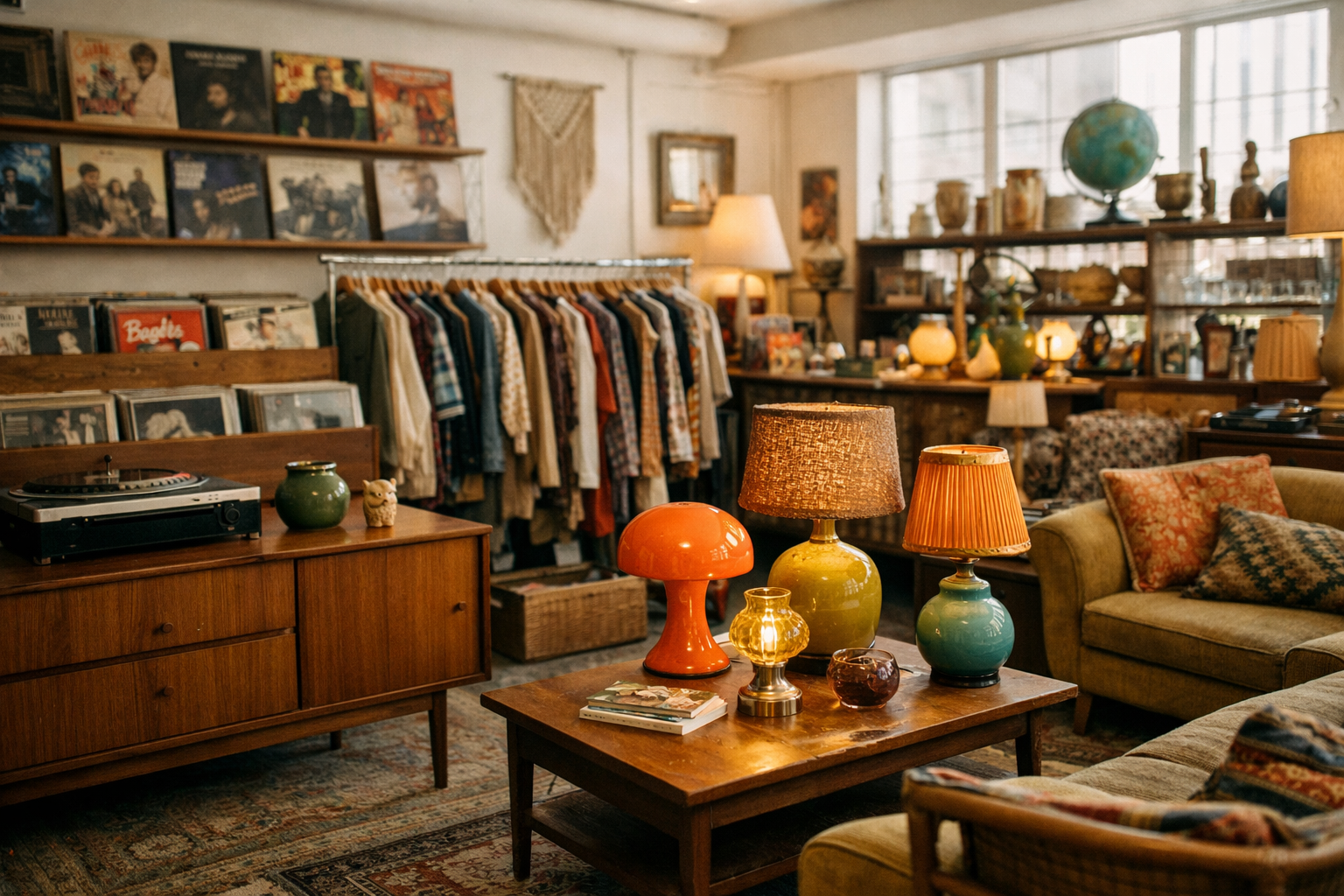
Walk into any thrift store and you're stepping into a space where a 1960s Danish teak credenza sits next to vintage vinyl records and gently-used designer jeans. It's a world where yesterday's treasures become today's discoveries, and where sustainability meets style without emptying your wallet. But what exactly is a thrift store, and why are more Canadians than ever choosing to shop second-hand?
Whether you're curious about thrift shopping for the first time or looking to understand the growing second-hand movement, this guide covers everything from basic definitions to insider shopping strategies. You'll discover why thrift stores matter now more than ever, how they operate, and what makes them different from traditional retail. Let's explore the treasure-filled world of thrift shopping.
Thrift Store Definition: The Simple Answer
A thrift store is a retail shop that sells pre-owned goods—including clothing, furniture, household items, and more—at significantly discounted prices compared to new retail items.
The word "thrift" itself means being economical and careful with money, which perfectly captures what these stores offer: quality items at prices that respect your budget. Most thrift stores acquire their inventory through donations from community members, though some also purchase select items to resell. These shops then clean, sort, and price items before making them available to shoppers looking for affordable, unique finds.
You might also hear thrift stores called thrift shops, second-hand stores, resale shops, or charity shops (particularly in British English). Regardless of the name, the concept remains the same: giving quality pre-owned items a second life while offering shoppers incredible value.
What sets thrift stores apart is their ever-changing inventory. Unlike traditional retail stores with predictable stock, thrift stores offer a constantly rotating selection of one-of-a-kind items. That vintage lamp you spotted last week might be gone tomorrow, but something equally special could arrive in its place. This element of discovery is what makes thrift shopping feel less like a chore and more like a treasure hunt.
How Thrift Stores Work
Understanding how thrift stores operate helps you appreciate the journey each item takes before landing on the shelves. The process begins when community members donate items they no longer need—from furniture and clothing to books and kitchen supplies. Some thrift stores also strategically purchase vintage or high-quality items to enhance their selection.
Once items arrive, staff and volunteers sort through donations carefully. They inspect each piece for quality, checking for damage, stains, or excessive wear. Items that don't meet quality standards are often recycled or repurposed rather than sold. This sorting process ensures that what reaches the sales floor is genuinely worth donating quality items to and purchasing.
The cleaning and preparation stage comes next. Clothing gets laundered, furniture receives touch-ups, and electronics are tested to ensure they function properly. This attention to quality control means you're not just buying used items—you're buying items that have been vetted and prepared for their next chapter.
Pricing strategies vary by store and item type. Staff consider factors like brand, condition, age, and current demand. A designer handbag in excellent condition commands a higher price than a generic alternative, but both still cost far less than buying new. Many thrift stores use color-coded tags to rotate discounts, rewarding regular shoppers with deeper savings on older inventory.
The result? Fresh finds hitting the floor constantly. At stores like EcoDepot Montreal, weekly arrivals mean that every visit offers something new. That mid-century credenza you've been dreaming about might arrive on a Tuesday, which is why seasoned thrift shoppers make frequent visits part of their routine.
Types of Thrift Stores
Not all thrift stores operate the same way. Understanding the different models helps you know what to expect and where to find the shopping experience you're looking for.
Non-Profit Thrift Stores
These shops are run by charitable or religious organizations, with profits supporting community programs, social services, or humanitarian causes. Organizations like St. Vincent de Paul and the Salvation Army operate under this model across Canada. When you shop at non-profit thrift stores, your purchase directly funds programs helping people in need—from job training initiatives to emergency assistance.
For donors, these stores offer an additional benefit: donation receipts for tax purposes. Your gently-used items not only get a second life but also provide you with a tax deduction while supporting important community work.
For-Profit Thrift Stores
These businesses focus on the resale of quality second-hand goods as their primary operation. Stores like Savers (also known as Value Village in Canada) operate as for-profit enterprises. While they may support various charities, they're not obligated to donate profits to specific causes.
For-profit thrift stores often emphasize quality curation and an enhanced shopping experience. They invest in store presentation, organization, and customer service to compete with traditional retail. EcoDepot Montreal operates under this model, combining EcoDepot's sustainable approach with a focus on curating quality vintage and retro finds. The goal isn't just to sell used items—it's to recover and give a second life to pieces that deserve to be treasured again.
Specialty Thrift and Vintage Shops
These shops take curation to the next level, specializing in specific eras, styles, or item categories. A vintage clothing boutique might focus exclusively on 1970s fashion, while a mid-century modern furniture shop curates pieces from the 1950s and 60s. These stores typically feature higher price points reflecting the time, expertise, and often travel costs involved in sourcing specific items.
The inventory comes from a mix of thrifted finds, estate sales, auctions, and direct purchases from individuals. Staff have deep knowledge of their specialty, whether it's authenticating designer pieces, dating antique furniture, or identifying rare collectibles.
Thrift Stores vs. Retail Stores: Key Differences
The difference between thrift and retail shopping goes beyond just price tags. Traditional retail stores sell brand-new merchandise directly from manufacturers or distributors. Items arrive with tags attached, in current styles, and at prices that reflect production costs, marketing, and retail markup. You know exactly what you'll find: this season's trends in predictable sizes and colors.
Thrift stores offer a completely different experience. The inventory consists of pre-owned items that have already lived one life and are ready for another. This means you're shopping outside the constraints of current trends and seasonal collections. That vintage leather jacket from the 1980s sits beside a barely-worn contemporary designer piece, creating an eclectic mix you'll never find in a mall.
The pricing structure tells its own story. Retail prices reflect what it costs to manufacture and market new items. Thrift store prices reflect an item's second-hand status and condition, resulting in savings of 50% to 90% compared to buying new. A solid wood dining table that would cost $2,000 retail might be yours for $300 at a thrift store.
Shopping experiences differ dramatically too. Retail shopping follows a predictable pattern: walk in, find your size or style, purchase, leave. Thrift shopping embraces the unexpected. You might walk in looking for a lamp and leave with a vintage record player you didn't know you needed. The hunt itself becomes part of the appeal.
Perhaps most significantly, the environmental impact differs vastly. Every new retail purchase requires raw materials, manufacturing energy, transportation, and packaging. Every thrift store purchase extends an existing item's life, keeping it out of landfills and eliminating the need to produce something new. It's shopping that actually lightens your environmental footprint rather than expanding it.
Why People Shop at Thrift Stores
The reasons people choose thrift shopping are as diverse as the shoppers themselves, though three major motivations rise to the top: money, meaning, and uniqueness.
Budget-conscious shoppers discover that thrift stores stretch their dollars incredibly far. A family furnishing their first apartment might spend $5,000 at retail furniture stores—or $1,000 at a thrift store for similar quality pieces. Those savings matter, especially when cost of living continues to climb. Students, young professionals, and growing families rely on thrift stores to maintain their quality of life without breaking the bank.
But thrift shopping isn't just for people watching their pennies. Environmental responsibility drives a growing segment of shoppers who understand the massive waste problem facing our planet. The textile industry alone generates enormous landfill waste, and furniture disposal creates millions of tons of trash annually. By choosing second-hand, shoppers actively combat this waste. Statistics show that approximately 2.5 million tons of textiles were diverted from landfills in 2018 through thrift stores and textile recycling—a number that continues to grow as more people embrace sustainable shopping.
The thrill of discovering something unique draws another dedicated crowd. Where else can you find a genuine mid-century modern lamp, a first-edition book, or a vintage leather jacket with real character? Thrift stores offer items with history and personality that mass-produced goods simply can't match. Each piece tells a story, and owning it means continuing that narrative.
Demographics reveal interesting patterns: approximately 45% of Gen Z and Millennial shoppers now prefer buying second-hand, driven by a combination of sustainability values, budget consciousness, and the desire for distinctive style. This growing trend among Canadian shoppers has transformed thrift shopping from a niche activity into a mainstream movement.
Creative minds also flock to thrift stores for upcycling projects. That weathered wooden chair becomes a stunning refinished statement piece. Vintage fabric scraps transform into quilts or pillows. Thrift stores serve as affordable material sources for DIY enthusiasts, artists, and makers looking to breathe new life into forgotten objects.
Finally, there's the simple joy of the hunt. Thrift shopping activates the same pleasure centers as a treasure hunt or successful garage sale find. The uncertainty of what you'll discover, combined with the satisfaction of scoring an amazing deal, creates an experience that straightforward retail shopping simply can't replicate.
What You Can Find at Thrift Stores
The variety at well-stocked thrift stores rivals—and often exceeds—traditional retail, spanning categories you might not expect.
Clothing and accessories form the backbone of most thrift stores. From everyday basics to designer labels, vintage pieces to near-new contemporary items, the clothing racks offer endless possibilities. You might find everything from a Brooks Brothers blazer to a vintage band t-shirt to barely-worn athletic gear, often in the same visit.
Furniture selection varies dramatically by store size and location, but larger thrift stores carry everything from complete bedroom sets to single accent chairs. Mid-century modern pieces, solid wood tables, vintage dressers, and contemporary sofas all find their way to thrift store floors. Some pieces need minor TLC; others look nearly new.
Home decor and lighting bring personality to any space. Vintage lamps with character far surpassing contemporary mass-market options, decorative objects from various eras, mirrors in unique frames, wall art, and collectibles all populate the shelves. Designer pieces occasionally appear—an Artemide lamp here, a hand-blown glass vase there—rewarding patient shoppers who visit regularly.
Books, vinyl records, CDs, and other media attract collectors and casual browsers alike. Whether you're hunting for first editions, building a vinyl collection, or just want affordable reading material, thrift stores deliver. The media section often reveals surprising gems: rare albums, out-of-print books, and vintage magazines.
Electronics and appliances range from vintage audio equipment and record players to kitchen appliances and working computers. Most thrift stores test electronics before sale, ensuring you're not buying a beautiful but broken piece.
Kitchenware and dinnerware sections might be the most underrated treasures. Vintage Pyrex, mid-century barware, quality cookware, and complete dishware sets in discontinued patterns all turn up regularly. Building a kitchen from thrift finds means owning unique pieces instead of the same plates everyone else has from the big-box store.
Sports equipment, fitness gear, toys, and games serve families and hobbyists on budgets. Bicycles, camping gear, board games, and children's toys offer affordable options that make perfect sense for items kids outgrow quickly.
Tools and DIY supplies help makers and renovators stock their workshops. Hand tools, power tools (when tested and safe), hardware, and project materials cost a fraction of retail prices.
At stores like EcoDepot Montreal, you can explore our current selection across all these categories, with weekly new arrivals ensuring fresh discoveries every visit. The inventory reflects Montreal's eclectic style—from Plateau bohemian to Mile End industrial to Lachine family-friendly.
The Benefits of Shopping at Thrift Stores
The appeal of thrift shopping extends far beyond finding good deals, touching financial, environmental, and social dimensions of conscious living.
Financial Benefits
The most immediate benefit shows up in your bank account. Thrift store savings aren't marginal—they're transformative. A quality winter coat retailing for $300 might cost $40 at a thrift store. A solid wood bookshelf priced at $400 new could be yours for $60. These aren't damaged or inferior items; they're simply pre-owned, offering the same utility at a fraction of the cost.
For families furnishing homes, the savings multiply dramatically. Outfitting a living room with a sofa, coffee table, end tables, and decorative items might run $3,000-5,000 at retail furniture stores. Thrift shopping can accomplish the same goal for $500-1,000, freeing up thousands for other priorities or savings.
Budget-conscious doesn't mean settling for less quality either. Thrift stores often carry better-made items than you'd find at equivalent retail price points. That $40 thrift store coat might be constructed better than a $100 fast-fashion alternative, having already proven its durability by surviving years of use.
Environmental Benefits
Every item purchased second-hand represents resources saved and waste prevented. The environmental benefits of second-hand shopping create impact across multiple dimensions.
Manufacturing new clothing, furniture, and household goods requires enormous quantities of water, energy, and raw materials. A single cotton t-shirt requires approximately 2,700 liters of water to produce. Manufacturing furniture means harvesting wood, mining metals, and processing plastics. All of this gets bypassed when you choose existing items instead.
Landfill diversion represents another critical benefit. As mentioned earlier, about 2.5 million tons of textiles alone were saved from landfills in a single year through thrift stores and textile recycling. Furniture disposal creates similar waste problems, with millions of tons ending up in landfills annually despite being perfectly usable.
The carbon footprint difference is substantial. Manufacturing, packaging, and transporting new goods generates significant greenhouse gas emissions. Buying second-hand eliminates most of these impacts, making it one of the simplest personal choices you can make for climate action.
Extending product lifecycles changes the fundamental equation of consumption. When items circulate through multiple owners rather than being discarded after a single use, the per-use environmental cost drops dramatically. That vintage chair serving its third owner has environmental efficiency no new chair can match.
Social Benefits
Thrift stores strengthen communities in tangible ways. Non-profit stores directly fund programs serving those in need—food banks, job training, addiction recovery, emergency shelter. Your purchase becomes a contribution to these causes.
For-profit thrift stores like EcoDepot Montreal create local jobs and economic activity while supporting the circular economy. Staff positions in sorting, retail, and management provide employment within communities, keeping money and opportunities local.
The social aspect extends to shoppers too. Thrift stores become gathering places for like-minded individuals who value sustainability, creativity, and smart spending. They're spaces where people connect over shared finds, exchange upcycling tips, and build community around conscious consumption.
Personal style benefits deserve mention too. Thrift shopping liberates you from following trends or wearing what everyone else wears. Your style becomes truly personal, assembled from unique pieces that speak to you rather than to marketing departments. It's fashion democracy: building a wardrobe and home that reflect your individual taste rather than someone else's idea of what's current.
Thrift Store Shopping Tips for Beginners
First-time thrift shoppers sometimes feel overwhelmed by the sheer variety and lack of organization compared to retail stores. These strategies will help you shop confidently and successfully.
Come with an open mind rather than a specific shopping list. Unlike retail stores organized by season and trend, thrift stores offer serendipitous discovery. You might enter looking for a lamp and leave with the perfect vintage jacket. This flexibility is key—let the treasures find you.
Visit frequently because inventory changes constantly. Donations arrive daily, and popular items move quickly. Establishing a routine of quick visits weekly or bi-weekly means you'll catch fresh arrivals before other shoppers spot them. Some seasoned thrifters pop in for 15-minute "check-ins" just to see what's new.
Ask staff about restock schedules and sale days. Most thrift stores follow patterns—certain days for processing new donations, color-tag sales on specific days, end-of-season clearances. Staff can share these insider details, giving you strategic advantages. In Montreal, bilingual service means you can ask in English or French, making information accessible to everyone.
Inspect items carefully before purchasing. Check clothing for stains, tears, missing buttons, or damage that might not be immediately obvious. Test zippers and examine seams. For furniture, look for structural soundness—check joints, open drawers, sit on chairs. Small imperfections you can fix are fine; serious damage you can't repair isn't worth it regardless of price.
Look for quality materials and construction. Solid wood beats particle board. Natural fibers typically outlast synthetics. Well-constructed items with quality details often last longer than cheap new alternatives. Learning to recognize quality helps you spot genuine deals.
Don't overlook creative potential. That dated dresser becomes stunning with fresh paint. Those plain curtains transform with simple alterations. Many thrift store treasures need only minor updates to become statement pieces. If you enjoy DIY projects, thrift stores provide endless raw materials.
Measure before buying furniture. That gorgeous credenza won't be gorgeous if it doesn't fit your space. Bring a tape measure and know your dimensions, especially for doors and hallways items must pass through. Nothing's worse than scoring a perfect piece that won't fit up your stairs.
Timing matters. Weekday mornings tend to be quieter, giving you first crack at overnight restocks. End-of-season shopping brings clearances on seasonal items. Post-holiday periods see increased donations as people declutter. These patterns create prime shopping windows for strategic thrifters.
Montreal-specific tip: explore thrift stores across different neighborhoods for varied selections. Plateau shops might feature different styles than Lachine locations, reflecting the distinct character of each quartier. This geographic diversity means broader options across the city.
Finally, embrace the treasure hunt mentality. Not every visit yields amazing finds, and that's okay. The joy comes partly from the search itself. When you do discover that perfect item—and you will—the satisfaction runs deeper than any routine retail purchase could provide.
Thrift Stores in Montreal: A Local Perspective
Montreal's secondhand culture thrives with particular vibrancy, reflecting the city's values of creativity, sustainability, and practical living. The bilingual nature of the city means thrift shopping happens en français et en anglais, making these spaces genuinely accessible across Montreal's diverse communities.
Different neighborhoods offer distinct thrift shopping experiences. The Plateau and Mile End feature boutique vintage shops alongside larger thrift stores, catering to the areas' artistic and student populations. These quartiers embrace eclectic style, and the thrift stores reflect that aesthetic. Lachine and other suburban neighborhoods typically offer larger warehouse-style stores with extensive furniture selections and family-friendly shopping.
Montreal's commitment to sustainability aligns perfectly with thrift shopping culture. The city's residents have long embraced practical approaches to consumption—from moving day sidewalk treasures to thriving vintage markets. This practical creativity makes secondhand shopping feel natural rather than alternative.
The variety spans from massive stores with tens of thousands of items to specialized boutiques focusing on curated eras or styles. Non-profit options serve various communities and causes, while for-profit stores like EcoDepot Montreal bring business focus to quality curation and customer experience. You can visit our Lachine and Plateau locations to experience how we fit into this diverse landscape—combining wide selection with sustainability mission.
Transit accessibility matters in a city where not everyone drives. Many thrift stores sit along metro lines or major bus routes, making them easy to visit without needing a car (though you might want one for furniture purchases). This accessibility democratizes thrift shopping, ensuring it's not limited to those with vehicles.
The community aspect feels particularly strong in Montreal. Regular shoppers recognize each other, staff remember customers, and people share tips and finds. It's shopping with neighborhood feeling, a refreshing contrast to anonymous big-box retail.
Younger Montrealers especially have embraced thrift shopping, viewing it as smart, sustainable, and stylish rather than compromise. This shift from previous generations has elevated secondhand shopping from necessity to intentional lifestyle choice, helping normalize circular economy practices.
Common Questions About Thrift Stores
Are thrift store items clean and safe?
Reputable thrift stores clean and inspect items before selling them. Clothing gets laundered, furniture receives cleaning, and electronics are tested. However, you should still wash clothing when you get home and clean furniture as needed. Most items are perfectly safe and clean—stores have strong incentives to maintain quality standards since reputation directly affects business.
How are thrift store prices determined?
Staff consider multiple factors: brand, condition, age, material quality, and current demand. Items with designer labels, excellent condition, or popular styles command higher prices, but they're still far below retail. Many stores use consistent pricing guides to maintain fairness. Color-coded tags often indicate when items arrived, enabling rotating discount systems.
Can I return items purchased at thrift stores?
Return policies vary significantly by store. Many thrift stores offer no returns due to the pre-owned nature of items and tight margins. Some offer store credit within a short window. Always ask about return policies before purchasing, especially for expensive items, and inspect carefully before buying since you may not be able to return it.
Do thrift stores accept all donations?
No. Thrift stores maintain quality standards and must refuse items that are damaged, stained, broken, or unsellable. They also can't accept certain items for safety or regulatory reasons—cribs that don't meet current safety standards, child car seats, large appliances without testing, or items with recalls. What we accept depends on condition, demand, and safety requirements.
What's the difference between thrift and vintage?
Thrift stores sell pre-owned items from all eras, focusing on affordability and variety. Vintage shops specifically curate items from particular periods (typically 20+ years old), focusing on style, quality, and collectability. Vintage shops involve more curation and typically charge higher prices. A thrift store might have vintage items within its broader inventory, but vintage shops sell exclusively older, curated pieces.
Are thrift stores only for people on tight budgets?
Not at all. While thrift stores certainly help budget-conscious shoppers, many customers choose secondhand for sustainability, unique style, or the thrill of discovery regardless of their budget. Collectors hunt for rare finds, designers seek one-of-a-kind pieces, and environmentally-conscious shoppers reduce their impact. Thrift shopping transcends economic necessity to become an intentional lifestyle choice for many people.
Discover Your Next Treasure at EcoDepot Montreal
Thrift stores represent far more than places to find cheap stuff. They're hubs of circular economy, sustainability in action, and treasure-filled spaces where every item gets a second chance. Whether you're drawn by financial savings, environmental responsibility, or the hunt for unique finds, thrift shopping offers rewards that traditional retail simply can't match.
The best pieces have history, character, and stories to tell. They've lived lives before reaching you, and they're ready for their next chapter. Every vintage lamp saves resources and adds personality to your space. Every pre-loved furniture piece keeps something out of a landfill while giving you quality at prices that make sense.
Ready to discover your next treasure? Visit EcoDepot Montreal's Lachine or Plateau locations to explore thousands of unique finds across every category—from mid-century modern furniture to vintage vinyl, designer pieces to everyday essentials. With new arrivals every week, you never know what gem is waiting on our shelves. Your style doesn't have to cost the earth. Start your sustainable shopping journey today.