Chariot
0
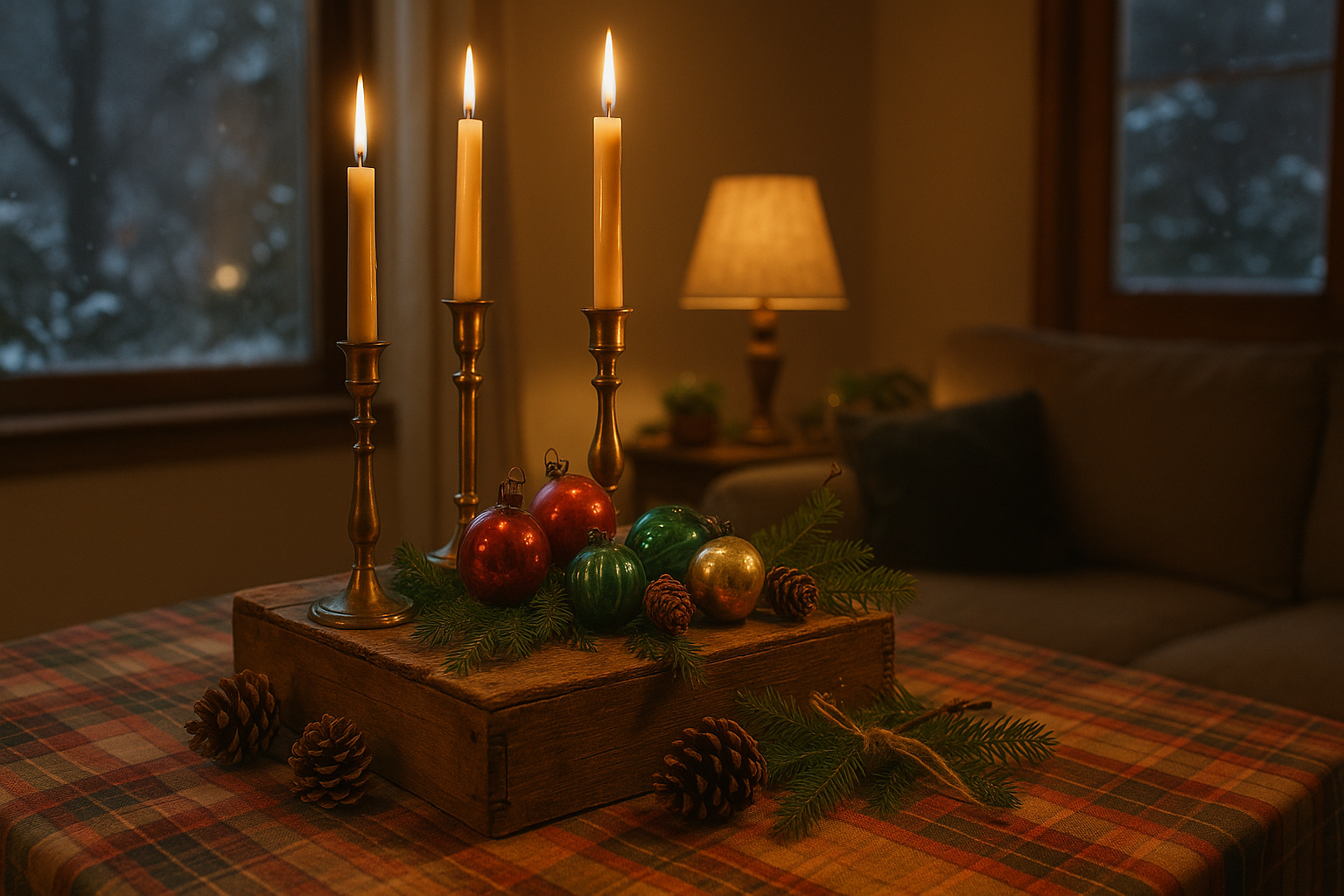
Picture this: a vintage brass candlestick you discovered at EcoDepot for $7, now glowing on your mantel as the centerpiece of your holiday display. That's the magic of thrifted Christmas decorating—where affordability meets uniqueness, and your holiday style tells a story that no big-box store can replicate.
The pressure to create picture-perfect holiday décor is real. New Christmas decorations are expensive (we're talking $200-500+ to outfit an average home), wasteful, and frankly, they all look the same after a while. Walk into any apartment in Montreal and you'll see the same mass-produced ornaments, the same generic wreaths, the same everything.
But here's the good news: thrifted and sustainable decorating delivers unique style, serious savings (60-80% less than retail), and environmental impact you can actually feel good about. This guide shows you exactly how to transform your space with ready-made vintage finds, simple DIY projects, and shopping strategies that work in Montreal's thriving secondhand scene.
You'll discover where to find the best pieces, how to budget realistically, and which DIY transformations require zero crafting expertise. Whether you're furnishing a Plateau walk-up or a Mile End loft, your perfect vintage Christmas is waiting to be uncovered—and it won't cost the earth in any sense of the phrase.
Why Thrifted Christmas Decorations Are the Smart Choice
Let's talk numbers first, because the financial case for thrifted holiday decorating is compelling on its own. The average Canadian household spends $200-500 outfitting their home with new Christmas décor each season. With a thrifted approach? You're looking at $50-150 for the same level of coverage, often with better quality pieces.
But the savings are just one part of the equation. According to recent industry data, approximately half of Canadians now shop secondhand, with furniture and household goods ranking among the most commonly purchased categories. This isn't a fringe movement anymore—it's mainstream, and for good reason.
The environmental numbers tell an even more striking story. When Canadians choose secondhand items, they're actively reducing demand for new production, which means less resource extraction, less manufacturing pollution, and less transportation emissions. One recent analysis found that secondhand shopping in Canada diverted enough items from landfills to equal the environmental benefit of planting over 300,000 trees. Every vintage ornament, every brass candlestick, every wooden crate represents resources that didn't need to be pulled from the earth.
Here's what makes thrifted Christmas décor especially smart: older decorations and ornaments were often made to higher quality standards than today's mass-produced equivalents. That glass ornament from the 1960s has survived decades because it was crafted with care. Compare that to modern plastic versions that crack after a single season.
And then there's the uniqueness advantage. Your tree adorned with vintage Shiny Brite ornaments and hand-painted ceramic figures won't look like every other tree in your building. Your mantel styled with mismatched brass candlesticks from different eras has character that new matching sets simply can't replicate. When guests ask "Where did you find that?" you'll have actual stories to share, not just "aisle seven."
The triple win is real: save money, reduce waste, and discover one-of-a-kind pieces that reflect your personal style rather than a retailer's seasonal trend forecast.
Your Thrifted Christmas Decoration Budget Blueprint
Let's get practical about what you'll actually spend. Here are three realistic budget tiers that work for Montreal households:
Minimal Budget ($30-50): Focus on 2-3 key statement pieces—maybe a stunning vintage serving tray for your table, a set of brass candlesticks, and one box of vintage glass ornaments. Fill in with natural elements (pinecones, branches) and DIY projects using materials you already have.
Moderate Budget ($75-125): This gives you room for a full home transformation. Allocate about 40% to tree decorations (ornaments, topper, garland materials), 30% to table and entertaining pieces (linens, serving ware, centerpiece items), 20% to mantel or display area styling, and 10% to entry or exterior touches.
Abundant Budget ($150-200): You can cover everything above plus extra zones like bedroom décor, bathroom seasonal touches, and even thrifted items that double as gift packaging. This budget also lets you invest in higher-end vintage designer pieces that will elevate your space for years to come.
The key is the "anchor piece" philosophy: invest in 1-2 vintage statement items that really shine, then fill in around them with DIY projects and natural elements. That Danish modern teak bowl you find for $18 becomes your centerpiece vessel. Those mid-century brass candlesticks for $12 anchor your mantel. Everything else supports these stars.
Timing your shopping matters enormously for stretching your budget. Early November offers the biggest selection as thrift stores stock holiday items and people begin donating pre-season. Mid-December brings a second wave of fresh donations as people clear space for new gifts. And if you're thinking ahead? Post-Christmas shopping (late December through January) means your budget goes 70% further for next year's decorating.
At EcoDepot Montreal, new items arrive throughout the season at both our Lachine and Plateau locations. Thursday and Friday evening restocks mean first pick of new arrivals—that's insider knowledge that serious treasure hunters use to their advantage.
One practical approach: start a holiday decoration fund in October. Even $10 a week gives you $60-80 to work with, which is plenty for a beautiful thrifted Christmas that rivals any high-end retail aesthetic.
Vintage Christmas Treasures to Hunt For
Ready-Made Finds That Need Zero Work
The beauty of thrifted decorating is finding pieces that are perfect as-is. Here's what to keep your eyes open for when you're browsing:
Vintage Ornaments (Glass, Ceramic, Wood)
These are the crown jewels of thrifted Christmas finds. Look for pre-1990s Shiny Brite glass ornaments in their signature frosty pastels, hand-painted ceramic figures from the 60s and 70s, and carved wooden ornaments that show real craftsmanship. The colors in vintage ornaments have a richness you simply can't find in modern replicas—think deep mercury glass finishes, hand-applied glitter that actually stays put, and painted details done by actual hands.
Expect to pay $1-5 each, compared to $8-15 for new "vintage-style" ornaments that are trying (and failing) to capture this aesthetic. Mix ornaments from different eras on your tree for that collected-over-time look that interior designers charge thousands to curate. A box of 20-30 vintage ornaments for $30-40 can completely transform your tree's personality.
Brass and Copper Candlesticks
Instant elegance lives here. Vintage brass and copper candlesticks bring warm metallic tones and that perfect patina that tells decades of stories. Whether you embrace the tarnish for its character or give them a quick polish with Brasso, these pieces elevate any surface they touch.
You'll find them in the $5-15 range at thrift stores like EcoDepot, whereas new brass candlesticks run $30-60 minimum. Pro tip: Don't worry about matching sets. Three mismatched brass candlesticks in varying heights create more visual interest than a perfectly matched trio. Check EcoDepot's lighting and home décor sections—brass pieces are abundant and often overlooked by shoppers hunting for other items.
Vintage Tins and Containers
Old tea tins, British biscuit boxes, and holiday-themed tins from the 80s and 90s are pure gold for seasonal decorating. Use them to package homemade cookies for gifts, wrap presents (the container becomes part of the gift), hold fresh or faux winter greenery as centerpieces, or simply display them on shelves for pops of vintage pattern and color.
Most run $2-8, and they solve multiple decorating challenges at once. A collection of five vintage tins arranged on a bookshelf creates an instant holiday display. Fill one with pinecones, another with ornaments, a third with battery-powered fairy lights. They're also remarkably durable—many have survived 40-50 years already, so they'll easily last through many more holiday seasons in your home.
Wooden Crates and Boxes
These workhorses of vintage decorating serve endless purposes. Hide an ugly tree stand by surrounding it with a rustic wooden crate. Stack crates of varying sizes as a Christmas tree alternative for small apartments (more on this in the DIY section). Display wrapped gifts on a weathered wooden box. Create a rustic entry display by filling a crate with evergreen branches and ornaments.
Find them for $5-20, compared to $40+ for new "farmhouse rustic" wooden storage from home stores that's trying to look old. The real thing has authentic wear, nail holes, and stamps that add character. At EcoDepot's Lachine location, estate sale donations often include complete collections of old wooden storage—Thursday and Friday evening restocks are your best bet for first pick.
Vintage Linens (Tablecloths, Runners, Tea Towels)
Holiday linens transform your dining experience. Look for classic plaids in reds and greens, embroidered winter scenes from the 50s and 60s, delicate lace tablecloths that add elegance, or even vintage tea towels featuring retro holiday graphics.
The condition doesn't need to be perfect. Small stains hide easily under centerpieces. Minor wear adds to the handmade charm. And at $5-15 for tablecloths that would cost $30-80 new (and wouldn't have nearly the character), you can afford to experiment. Extra credit: Cut a large vintage tablecloth into napkins or use sections to create DIY pillow covers for your couch.
Mid-Century Modern Serving Pieces
If your aesthetic leans Danish modern or minimalist, thrift stores are treasure troves of teak trays, sculptural glass bowls, geometric ceramic serving dishes, and sleek wooden cheese boards from the 60s and 70s. These pieces work beautifully for holiday entertaining while maintaining your year-round aesthetic—no need to store them after Christmas.
The price sweet spot is $8-25 for pieces that would cost $60-150 new (if you could even find authentic mid-century pieces). Use a teak tray to serve drinks, arrange a low glass bowl with ornaments as a centerpiece, or display appetizers on a mod ceramic platter. Montreal's vintage furniture scene means EcoDepot often has stunning mid-century serving pieces in both locations.
Record Albums for Display
Classic holiday albums—Bing Crosby, Nat King Cole, Vince Guaraldi's Charlie Brown Christmas—aren't just for listening (though you should absolutely play them if you have a turntable). The album covers themselves are beautiful vintage graphic design that deserves display.
Lean records on mantels against walls, prop them against books on shelves, or even frame standout covers as temporary wall art. At $2-5 per album versus $15-30 for new vinyl reissues, you can collect several and rotate your display. The square format and bold graphics from vintage album covers add instant retro appeal to any space.
Vintage Books
Books are secret weapons in holiday decorating. Stack hardcovers to create height under centerpiece displays, arrange spines showing red, green, and gold covers for color coordination, or use book pages in DIY garland projects (more on this later).
Leather-bound or cloth hardcovers in winter colors are especially beautiful and usually cost just $1-3 each. Five or six stacked books become a free riser for other decorative items. Montreal's bilingual book culture means you'll find gorgeous French and English vintage books with covers that work perfectly in seasonal displays.
EcoDepot Insider Tip: Our Lachine location gets estate sale donations weekly—these often include complete sets of vintage ornaments still in original boxes and pristine holiday serving ware that families used for decades. Thursday and Friday evening restocks mean first pick of new arrivals. Follow our Instagram @ecodepotmontreal for preview posts of special holiday finds hitting the floor.
DIY Christmas Décor Projects Using Thrifted Materials
The beauty of thrifted decorating isn't just finding perfect pieces—it's discovering items with potential and transforming them into exactly what you need. These projects require minimal crafting skill and use supplies you'll find at any Montreal thrift store, including both EcoDepot locations.
Project 1: Vintage Frame Wreath Display
What you need:
-
Empty vintage frame ($3-8)
-
Artificial or fresh greens (can be foraged or purchased in small bundles)
-
Ribbon or twine
-
Hot glue gun
How it works: Remove the glass and backing from your thrift store frame—you just want the decorative frame itself. Attach greenery around the frame's perimeter using hot glue, working in sections. Add a ribbon bow at the top for hanging and to cover any mechanical attachment. Tuck in pinecones, small ornaments, or berries if desired.
Why it works: Ornate frames are abundant at thrift stores, often passed over because the glass is broken or the art inside is dated. This project transforms a $5 frame into a $40-50 custom wreath that looks high-end because of the frame's vintage details. Gold baroque frames create opulent looks, simple wood frames suit minimalist aesthetics, and painted frames add pops of color.
Montreal tip: Check EcoDepot's home décor section—ornate gold and carved wood frames are plentiful. The Plateau location often has mid-century modern frames perfect for contemporary aesthetics.
Total cost: $8-15 versus $50-80 for similar purchased wreaths
Project 2: Sweater Stocking Transformation
What you need:
-
Vintage wool sweater ($5-12)
-
Scissors
-
Needle and thread (or fabric glue for no-sew version)
-
Ribbon for hanging loop
How it works: Cut stocking shapes from the sweater's sleeves or body—use an existing stocking as a template or freehand it (imperfection adds charm). Sew or glue the side seams, leaving the top open. Fold the cuff over at the top or use the sweater's existing ribbed cuff. Add a ribbon loop for hanging.
Why it works: Fair Isle sweaters, cable knits, and Nordic patterns translate beautifully to stockings. The existing sweater patterns mean zero additional decoration needed. Vintage wool sweaters are thick and cozy, creating substantial stockings with real heft.
Style variation: If you find a sweater with an especially beautiful cuff, cut to preserve it as the stocking's top—instant ribbed detail with no extra work.
Total cost: $6-15 for materials to make 4-5 stockings versus $25-40 each for new wool stockings
Project 3: Vintage Book Page Garland
What you need:
-
Old books with yellowed pages ($1-2 each)
-
Scissors or paper cutter
-
Twine or ribbon
-
Glue or mini clothespins
How it works: Cut book pages into triangles for bunting-style garland, circles for a softer look, or leave as rectangles for minimalist appeal. Fold each piece over your twine and glue in place, or use mini clothespins to clip pages onto the string. Drape across mantels, windows, bookshelves, or even on your Christmas tree.
Style options: Leave pages plain for a vintage aesthetic that shows the yellowed paper and text, or stamp with holiday designs using craft stamps if you want more obvious festivity.
Why it works: The cost is under $5 total, compared to $20-35 for paper garlands from stores. The vintage book aesthetic adds intellectual charm and works especially well in home offices, libraries, or for book-lover households. Plus, it's incredibly lightweight for easy hanging.
Project 4: Teacup and Saucer Candle Holders
What you need:
-
Mismatched vintage teacups and saucers ($1-3 per set)
-
Pillar or votive candles
How it works: This might be the easiest project ever—simply place candles in the teacups. Arrange multiple cups down your table's center for a complete tablescape. Mix patterns for eclectic charm or find cups in similar color families for cohesion.
Safety note: Never leave burning candles unattended, and always use saucers underneath to catch any wax drips.
Style advantage: This creates an instant vintage tablescape that doubles as a conversation starter when guests ask about the cups' origins. After the holidays, the cups return to regular use—no storage needed.
Total cost: $5-12 for a complete centerpiece versus $40-60 for new decorative candle holders
Project 5: Wooden Crate Christmas Tree Alternative
What you need:
-
3-5 wooden crates in graduating sizes ($8-15 each at thrift stores)
-
String lights
-
Greenery, ornaments, small wrapped gifts for filling
-
Optional: L-brackets for extra stability
How it works: Stack crates pyramid-style with the largest at the bottom, creating a triangular tree shape. If you're worried about stability, secure the crates together with small L-brackets from the hardware store. Fill each crate's opening with ornaments, wrapped gifts, greenery, or even books. Weave battery-powered string lights through the structure. Top with a star or tree topper.
Why it works: This is perfect for small Montreal apartments where a full tree feels overwhelming. Plateau walk-ups and Mile End lofts often have limited space—this solution gives you the height and presence of a Christmas tree while maintaining functionality. After the holidays, unstack the crates and use them year-round for storage or display.
Additional benefits: No needles to vacuum, no tree stand that tips over, no disposal hassle. Plus, you can change the filling each year for a completely different look using the same crates.
Total cost: $25-50 versus $200-300 for comparable modern "alternative tree" products
DIY Success Tips:
-
Don't stress perfection—handmade charm is the entire point
-
A hot glue gun is your best friend ($5 investment, endless project possibilities)
-
Test vintage fabrics for washability before cutting
-
Save leftover materials in a labeled box for next year's projects
Natural and Free Elements to Complete Your Look
The secret to making thrifted décor feel complete? Layer in natural elements that cost little to nothing. These organic touches bridge vintage finds together and add that fresh, seasonal feeling.
Pine Branches and Evergreen Clippings
Fresh greenery brings scent and life to your displays. In Montreal, you can ethically forage fallen branches from parks like Mount Royal after winter storms (always check local regulations). Alternatively, many Christmas tree lots sell small bundles of trimmings for $5-10, or you might ask neighbors with evergreens if you can trim a few branches in exchange for helping maintain their trees.
Tuck branches into vintage vases, lay them across mantels with brass candlesticks, wrap them around stair railings, or use them to conceal the mechanics of DIY projects.
Pinecones
Free and abundant in Montreal's parks and green spaces, pinecones are decorating gold. Gather them from Mount Royal or local parks (stick to fallen cones only). Bake collected pinecones at 200°F for 30 minutes to kill any insects or sap—they'll also open up beautifully in the heat.
Use them in vintage bowls as centerpieces, glue them to wreath frames, tie ribbon around them for tree ornaments, or simply scatter them on tables and mantels. Leave them natural or spray paint them gold or white for different effects.
Birch Branches
Montreal's access to birch trees makes these white-barked beauties readily available. Collect fallen branches only (never cut from living trees without permission). Their stark white bark and delicate twigs look stunning in tall vintage vases or propped in corners.
Hang lightweight ornaments from branch tips, wrap them with fairy lights, or leave them bare for Scandinavian minimalist appeal. Three birch branches in a thrifted ceramic vase create a statement display for under $5.
Dried Orange Slices
Make these at home in your oven: slice oranges thin, bake at 200°F for 2-3 hours until completely dry, then thread them onto garland with twine. They add pops of color and a subtle citrus scent.
Thread them onto garlands, attach them to wrapped gifts as natural bows, or cluster them with pinecones in decorative displays. Cost: essentially free if you're already buying oranges for eating.
Cinnamon Sticks
Bundle them with twine for rustic ornaments that add scent, simmer them on the stove with orange peels and cloves for natural holiday fragrance, or tuck them into greenery displays. A package of cinnamon sticks costs $3-5 and creates dozens of decorative touches.
Winter Berries
If you're knowledgeable about plants, you can forage safe varieties like winterberry or rosehips. Otherwise, small bunches of decorative branches with berries cost $5-10 at flower markets. Tuck them into arrangements, use them as natural pops of red in greenery displays, or float berry clusters in shallow bowls of water.
Styling Combinations That Work:
-
Classic Vintage: Brass candlesticks + pinecones + evergreen branches + red berries
-
Minimal Modern: Wooden crates + white-painted birch branches + white candles + minimal greenery
-
Cozy Rustic: Vintage tins filled with pinecones + cinnamon sticks bundled with twine + cedar branches
The cost for natural elements is mostly free if you're willing to forage ethically, or under $15 total if you're purchasing small bundles to supplement. Either way, they add immeasurably to the finished look of your thrifted holiday décor.
Shopping Strategy: How to Find the Best Thrifted Christmas Décor
Successful thrift shopping is part strategy, part patience, part luck—but you can tip the odds heavily in your favor with the right approach.
Know Your Sections
Don't just head to the obvious "holiday/seasonal" section. Some of the best Christmas decorating finds hide in unexpected places:
-
Home Décor: Frames, candlesticks, vases, decorative objects
-
Kitchenware: Serving pieces, vintage tins, interesting mugs
-
Linens: Tablecloths, runners, cloth napkins
-
Glassware: Clear vessels become ornament displays; unique glasses become festive drinking ware
-
Books and Media: Vintage holiday albums, decorative books
-
Furniture: Small tables, wooden crates, stools that elevate displays
Train yourself to see potential everywhere in the store. That brass bookend in the home goods section? It's a candlestick. That wooden box in the storage area? It's gift wrapping and display in one.
The EcoDepot Advantage
Montreal has a thriving secondhand scene, but EcoDepot Montreal stands out for several reasons that matter to holiday decorators. Our two locations—Lachine and Plateau—carry distinct inventories, so visiting both significantly increases your treasure-hunting success. The Plateau location often has more mid-century modern and design-forward pieces, while Lachine receives larger estate sale collections with complete vintage sets.
The curation matters too. EcoDepot focuses on quality used items rather than accepting everything, which means you're not sorting through piles of genuine junk to find gems. Staff members know their vintage from their just-old, so don't hesitate to ask for help spotting specific items or eras.
Weekly new arrivals throughout the holiday season mean fresh finds constantly. This isn't like big box stores where inventory is static once they stock for Christmas in October. New estate donations, downsizing contributions, and pre-season decluttering mean new items hit the floor every week.
Timing Your Visits
Weekday mornings offer quieter browsing when you can actually take time to inspect items and envision them in your space. Competition is lower, and you can ask staff questions without the chaos.
Thursday and Friday evenings align with EcoDepot's restocking schedule. New items from the week's donations get processed and hit the floor, giving you first pick before weekend crowds arrive.
Early in the season (early to mid-November) provides the best overall selection as stores stock up and people begin donating before the holidays.
Between Christmas and New Year brings a second wave as people declutter to make room for new gifts. This is also prime time for planning ahead—holiday items are often discounted post-season.
What to Inspect
Ornaments: Check hanging loops for rust or weakness. Examine glass ornaments for cracks (hold them up to light). Surface wear and faded paint often add character, but structural damage means they won't last.
Linens: Stains are acceptable if they'll hide under centerpieces. Holes in high-visibility areas mean pass unless you're planning to cut the fabric up for other projects. Smell for mustiness—most washes out, but severe odor may not.
Candlesticks: Test for wobble. Wobbly bases can usually be fixed with felt furniture pads. Tarnish is cosmetic and often desirable—don't pass on a great piece just because it needs polish.
Tins and Containers: Surface rust adds character for display purposes. Avoid tins if you plan to store food directly in them unless you can thoroughly clean the interior. Dents and dings tell stories.
Frames: Small chips can be touched up with paint or hidden with how you hang them. Warped or broken glass should be replaced (cheap at hardware stores), but the frame itself is what you're buying.
Tools to Bring
Pack a reusable shopping bag or small box to protect fragile finds as you continue shopping. Bring a small measuring tape if you have specific spaces to fill (mantel length, table width). Take photos of your rooms on your phone to help envision how pieces will work in your actual space. Most importantly, bring an open mind—the best finds are often items you didn't know you were looking for.
Montreal-Specific Advantages
Montreal's rental and apartment culture means many residents declutter before the holidays—there's only so much storage in a Plateau triplex or Mile End apartment. This creates a robust donation season in October and November. The city's bilingual, multicultural character also means diverse decorating traditions flow through thrift stores, giving you access to French-Canadian vintage, Jewish holiday items that work for Christmas aesthetics, and immigrant family treasures.
Visit both EcoDepot locations because Montreal neighborhoods have distinct styles that influence what gets donated where. The Plateau location reflects that area's artistic, design-conscious community. Lachine sees more estate sales from established families with decades of accumulated treasures.
Follow @ecodepotmontreal on Instagram for previews of new arrivals, special holiday finds, and insider shopping tips throughout the season.
The Patient Treasure Hunter Approach
Make multiple visits—inventory changes constantly, so what wasn't there last week might appear tomorrow. Don't buy everything at once. Let your vision evolve as you find pieces. Sometimes the perfect vintage bowl appears and changes your entire centerpiece plan for the better.
That said, if you see something truly special—a complete set of matching vintage ornaments, an exceptional mid-century serving piece, a stunning brass collection—grab it. Unique vintage items don't wait around for second thoughts.
Styling Your Thrifted Christmas Décor Like a Pro
You've gathered your treasures—now let's talk about putting them together in ways that look intentional rather than random.
The Mix-and-Match Philosophy
Professional designers charge thousands to create "collected over time" aesthetics, but that's exactly what you're doing naturally with thrifted pieces. The key is creating cohesion without matching.
Combine eras freely: Those 1960s glass ornaments look stunning with modern velvet ribbon and natural pinecone elements. Vintage brass from different decades creates more visual interest than a matched set. Your mid-century teak bowl filled with Victorian glass ornaments? That's eclectic sophistication.
Vary textures deliberately: smooth brass against rough wood, soft fabric runners under hard ceramic serving pieces, shiny glass ornaments mixed with matte pinecones. Texture variety creates depth and interest that monochrome styling never achieves.
Create cohesion through color instead of matching: Choose 2-3 main colors for your overall scheme, then let everything else complement them. Classic red and green with gold accents. White and silver with natural wood tones. Deep jewel tones—emerald, burgundy, navy—with brass. Once you have your color palette, pieces from different eras and styles work together.
Room-by-Room Approach
Living Room and Tree Area
Anchor with one statement piece—maybe that vintage credenza you found holds your tree, or a large wooden crate becomes your tree stand concealer and gift display. Layer lighting for ambiance: place vintage lamps near the tree, drape string lights through branches, cluster candles in your brass candlesticks on nearby surfaces.
For tree decorating, mix ornament sizes and styles for that collected-over-time look that's currently trending (but has always been chic). Cluster similar ornaments in groups of three or five rather than distributing them evenly—it looks more organic.
Dining Table
Start with a vintage runner or tablecloth as your base. Arrange mismatched candlesticks down the center in varying heights—odd numbers work better visually than even (three or five candlesticks, not two or four). Fill vintage bowls or tins with ornaments, pinecones, or greenery. Remember that vintage serving pieces can stay out between meals as part of your décor.
Mantel or Shelving
Apply the odd numbers rule: 3 or 5 focal items work better than 2 or 4. Vary heights using stacked books underneath some items, tall candlesticks next to low bowls. Tuck greenery throughout to connect separate elements visually. Lean vintage holiday albums or framed art against the wall for backdrop without nails.
Entry and Small Spaces
In typical Montreal apartments, less is genuinely more. Choose one statement piece for your entry: a vintage wreath on the door, a mirror surrounded by greenery, or a wooden crate filled with a seasonal display.
Small Plateau or Mile End apartments need edited collections. Five perfect vintage pieces thoughtfully arranged outperform twenty mediocre items crammed together. Use vertical space: hang wreaths, drape garlands, add framed holiday art.
Montreal Apartment Reality
Work with what you have. No mantel? Style a bookshelf or console table using the same principles. No formal dining room? Create a small vignette on your kitchen counter or coffee table.
The collected aesthetic works beautifully in smaller spaces because you're not trying to fill every surface. A few carefully chosen vintage pieces create impact without overwhelming limited square footage.
Color Palette Suggestions
Classic: Red, green, and gold—but seek out vintage versions with richer, more saturated hues than modern equivalents. Vintage reds have depth; vintage greens often have beautiful sage or forest undertones.
Scandinavian Minimal: White, natural wood tones, touches of red. This works especially well in small apartments because the light palette doesn't close in the space.
Jewel Tones: Emerald green, burgundy, brass, navy. Very mid-century modern and sophisticated. Perfect if your vintage finds lean toward 60s and 70s aesthetics.
Monochrome: All silver and white with natural wood elements. Elegant and serene. Let the textures do the work since color variation is minimal.
The "Collected Over Time" Secret
Don't match everything perfectly—that's the point. Mismatched brass candlesticks tell a story. Ornaments from different eras suggest a family collection grown over decades. The slightly worn linen tablecloth implies cherished use.
When guests compliment specific pieces, share their origin stories: "I found this at EcoDepot's Plateau location," or "This brass bowl came from an estate sale collection." These stories add value that new purchases simply can't provide.
Consider adding just one or two new vintage pieces each year. Your collection grows organically, each item with its own story, until you have a genuinely personal aesthetic rather than a store display recreated in your home.
Common Thrifted Christmas Décor Questions Answered
Is thrifted holiday décor clean and safe?
Yes, with basic reasonable precautions. Wipe down hard items with all-purpose cleaner—brass, glass, ceramics, wood all clean easily. Wash linens before use (check care labels; many vintage fabrics are sturdier than modern equivalents). For ornaments, gentle dish soap and water work perfectly.
The quality point matters here: vintage items were often made to much higher standards than modern mass-produced equivalents. That 1960s glass ornament has survived 60+ years because it was crafted to last. Many vintage pieces are actually more durable than contemporary versions.
What if I can't find exactly what I'm looking for?
Embrace the treasure hunt—this is the process, not a problem. Keep a flexible vision. That blue glass bowl might be even better than the silver tray you had in mind. The wooden crate you didn't know you needed might become your favorite piece.
Visit multiple times. EcoDepot's inventory changes weekly, especially during the holiday season. What isn't there on Tuesday might arrive by Friday. Both our Lachine and Plateau locations carry different inventories, so checking both significantly increases your options.
How do I store vintage decorations for next year?
Exactly like any holiday décor. Wrap fragile items in tissue paper or bubble wrap. Use sturdy cardboard boxes or plastic storage bins. Label everything clearly so you remember what's inside. Keep storage in a climate-controlled area if possible (Montreal basements can get damp).
Proper storage means your $50 thrifted collection lasts for decades. Many vintage ornaments have already survived 50+ years—they'll easily handle many more in your care.
Can I mix thrifted pieces with new items I already own?
Absolutely, and this is often ideal. Your existing string lights work beautifully with newly thrifted vintage ornaments. Modern candles in vintage brass candlesticks. DIY projects alongside store-bought items you've collected over years.
There's no rule requiring you to replace everything. Start with a few key vintage pieces, mix them with what you already have, and let your style evolve naturally over multiple seasons.
What if I'm not crafty at all?
The DIY projects in this guide are truly beginner-friendly—if you can use scissors and a glue gun, you can handle them. But they're also completely optional. Focus entirely on ready-made vintage finds if you prefer: ornaments, candlesticks, serving pieces, linens, frames, records, books.
You can create a stunning thrifted Christmas with zero DIY. The projects just extend your budget and add customization options for those who enjoy creating.
Does EcoDepot have Christmas items year-round?
Seasonal items arrive heavily in October and November as people donate and we stock up for the season. Throughout winter, you'll continue to find holiday items. Post-holiday (January and February) is actually an excellent time to shop if you're planning ahead for next year—selection is still good, and prices sometimes decrease.
That said, vintage items that work for Christmas aren't always labeled as holiday décor. Brass candlesticks, vintage linens, wooden crates, glass vessels—these are available year-round in our home goods sections.
Your Thrifted Christmas Awaits
You now have the complete playbook: vintage treasures to hunt for, DIY projects to try, shopping strategies that actually work in Montreal, and styling confidence to pull everything together with intention.
The key takeaways? Budget-friendly doesn't mean boring—your carefully curated $75 collection can outshine someone's $300 big-box shopping spree. Thrifted decorating is genuinely better for the planet and your wallet, with the bonus of creating unique style that reflects your personality rather than a retailer's trend forecast. Montreal's thriving secondhand scene makes this easier than in most cities—take advantage of it.
Imagine your holiday table set with vintage brass candlesticks casting warm light, thrifted linens telling stories of decades past, and serving pieces that have hosted Christmas dinners since the 1960s. Picture your tree adorned with glass ornaments that catch light differently than anything mass-produced today, each one a small treasure with history.
That's the magic of thrifted Christmas decorating—every piece has a story, every item represents resources saved, and your finished space looks like absolutely no one else's.
Start your treasure hunt at EcoDepot Montreal. With new arrivals every week and two full stores of possibilities across Lachine and Plateau, your perfect vintage Christmas is waiting to be discovered:
Follow us on Instagram @ecodepotmontreal for first looks at new arrivals and holiday decorating inspiration throughout the season.