Chariot
0
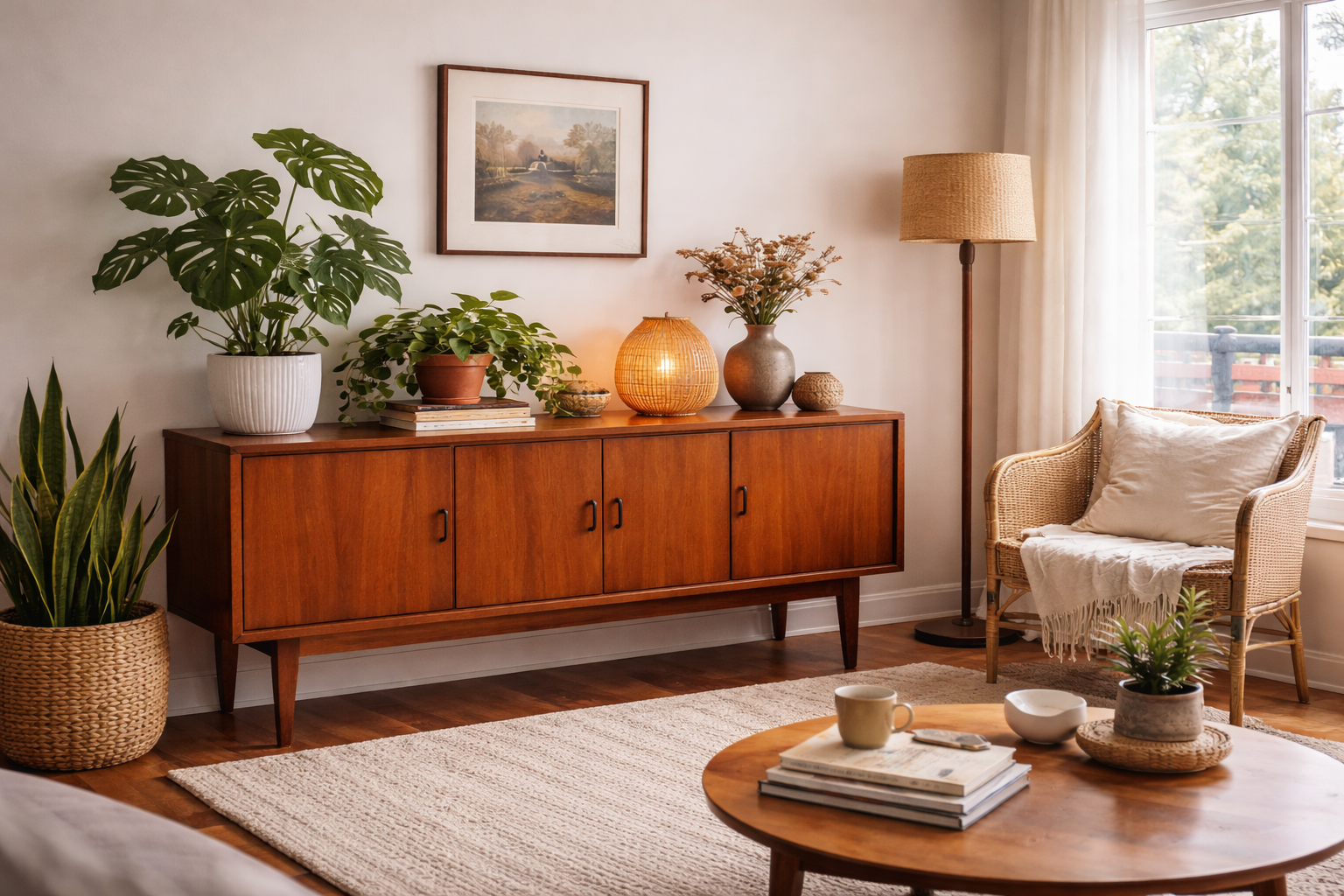
Let's be honest: most New Year's resolutions don't make it past February. The gym membership gathers dust, the meal prep containers stay in the cupboard, and life returns to its familiar rhythm. But what if your resolutions could actually save you money while helping the planet? What if they made your life more interesting, not more restricted?
That's the beauty of sustainable resolutions. They align what's good for you with what's good for the earth. And here in Montreal, we're surrounded by the resources to make them work—from our vibrant local businesses to weekly arrivals of unique second-hand treasures waiting to be discovered.
2026 is different. With more Canadians embracing pre-owned shopping than ever before and our city's culture already valuing quality over quantity, this is the year sustainable living goes from aspiration to everyday habit. We're not talking about perfection or sacrifice. We're talking about five achievable resolutions that get easier with time, richer with practice, and genuinely rewarding from day one.
Ready? Let's dig into resolutions that actually stick.
Resolution #1: Shop Second-Hand First
Forget everything you think you know about thrift shopping. This isn't about settling for less—it's about discovering more. More character. More quality. More money in your pocket. And yes, significantly less environmental impact.
The thrill of walking into a thrift store never gets old. Will today be the day you find that perfect mid-century credenza? The vintage Artemide lamp you've been dreaming about? That solid wood bookshelf for a fraction of retail price? Every visit is a treasure hunt, and Montreal's second-hand scene delivers the goods week after week.
Why This Matters
The environmental case for shopping second-hand is compelling. Manufacturing new furniture and goods requires enormous amounts of energy, raw materials, and transportation. A single new sofa generates roughly 90 kg of CO2 emissions before it even reaches your living room. Meanwhile, that quality used sofa at your local thrift store? Zero additional manufacturing impact.
How to Start
The key is making second-hand your first stop, not your last resort. Before clicking "add to cart" on something new, ask yourself: could I find this second-hand?
Some categories are absolute home runs for thrift shopping: furniture (especially solid wood pieces built to last), home decor that adds instant personality, vintage clothing with better construction than fast fashion, books that cost a fraction of cover price, kitchen items like quality cookware and dishes, and tools that were built decades ago and still outlast modern versions.
Here's a Montreal-specific insider tip: shop weekday mornings for the best selection and the most relaxed browsing experience. Weekend crowds are enthusiastic, but Tuesday at 11 AM? That's when you get first crack at the week's new arrivals and space to really explore.
Yes, online marketplaces like Facebook Marketplace and Kijiji have their place for specific searches. But there's something irreplaceable about in-person treasure hunting—running your hand along solid wood grain, discovering an unexpected find in a corner, getting instant answers from knowledgeable staff about an item's history or condition.
One more game-changer: adopt the "one-in-one-out" rule. Every time you bring something new (or new-to-you) home, let something else go. This keeps your space from accumulating clutter and ensures your second-hand shopping stays intentional and joyful.
Your Montreal Second-Hand Hub
EcoDepot Montreal exists exactly for this resolution. As Montreal's largest thrift store with two locations—Lachine and Plateau—we're talking serious selection that changes every single week. Last week, a customer scored a mid-century teak credenza that would cost $2,000 new for just $180 at our Lachine location. This week? Someone else walked out with a complete vintage dining set for less than the cost of two new chairs.
Our range runs from everyday essentials everyone needs to those designer finds that make your friends ask, "Where did you get that?" Quality vintage lamps, solid wood furniture built by craftspeople who cared, unique decor that gives your space instant character—it's all here, and it's all waiting to be discovered.
The Lachine store offers that warehouse treasure-hunt experience where you never know what's around the next corner. The Plateau location brings neighborhood charm to your sustainable shopping. Both mean you can browse our current furniture collection and find exactly what your space needs.
Follow us on Instagram @ecodepotmontreal for first looks at new arrivals. We post fresh finds throughout the week, and trust us—you'll want to see them before they disappear.
Resolution #2: Support Local Montreal Businesses
Your money is a vote. Every purchase is a ballot cast for the kind of city you want to live in. When you support local Montreal businesses, you're not just buying products—you're investing in your community's future, your neighbors' livelihoods, and the unique character that makes Montreal, well, Montreal.
Walk down Mont-Royal Avenue or St-Denis, through Mile End or Notre-Dame-de-Grâce, and what do you see? Independent cafés where baristas know your name. Boutiques curated by people who genuinely love what they sell. Family-run épiceries that have anchored corners for generations. This is the Montreal worth protecting, and your spending choices determine whether it thrives or fades.
The Ripple Effect of Shopping Local
Here's what happens when you buy from a local business: your dollars circulate through the community approximately three times. That café owner buys bread from a local bakery, who sources flour from a Quebec mill, who employs local workers. Compare that to shopping at a big-box chain, where profits leave not just your neighborhood, but often your country entirely.
The environmental math is equally clear. Local businesses mean shorter transportation distances, less packaging waste, and supply chains you can actually see and understand. When you buy furniture from a Montreal thrift store instead of ordering from a multinational online retailer, you're avoiding all the emissions from warehousing, long-distance shipping, and excessive packaging materials.
But the benefits run deeper than economics and emissions. Local businesses create the jobs your neighbors need, the services your community relies on, and the spaces where Montreal's culture actually lives. They offer bilingual service that respects our city's character, personalized attention that big-box stores can't match, and the kind of relationships that transform shopping from transaction to connection.
Plus, supporting local means supporting the food scene, art scene, and music scene that make Montreal a city people want to visit and live in. These businesses sponsor community events, donate to local causes, and invest in the neighborhood's future because they are the neighborhood.
Making It Happen
Start small and specific. Pick one category and commit to buying it locally: your morning coffee, your weekly groceries, your household supplies. Once that habit sticks, expand to another category.
Montreal makes this incredibly easy. Our neighborhoods practically overflow with excellent independent businesses. Mile End offers craft studios and vintage boutiques. The Plateau delivers endless options for local fashion and home goods. Notre-Dame-de-Grâce and Verdun surprise you with hidden gem shops and services. Every quartier has its own flavor, its own local champions worth discovering.
Look for Quebec-made products when you shop. Companies like Monsieur Cocktail and 1642 sodas show what local manufacturing looks like at its best—quality products made right here that you can feel good about buying. When you need fresh produce, Jean-Talon and Atwater Markets connect you directly with Quebec farmers who grow your food.
For furniture and home goods, here's where sustainable and local intersect perfectly: Montreal's thrift and vintage shops keep our city's character intact while keeping perfectly good items in circulation. You're supporting local business, shopping second-hand, and finding unique pieces in one satisfying sweep.
Local Gems Worth Discovering
EcoDepot Montreal is proudly local through and through. Two locations, both operated by people who live and work in these communities. When you shop with us, you're supporting Montreal jobs, keeping quality items out of landfills, and yes—checking off two resolutions at once since we're both local and second-hand.
Montreal has incredible local businesses worth your time. Grab your coffee at a neighborhood café, buy your bread from a local boulangerie, furnish your apartment at local thrift shops, and watch how these small choices add up to a completely different relationship with your city. Share your favorite local spots with friends, post about local finds on social media, and help build the Montreal we all want to live in.
Resolution #3: Master the Art of Repairing Instead of Replacing
Remember when things broke and people just... fixed them? Your grandparents didn't throw away a chair because a rung came loose or toss a lamp because the cord frayed. They repaired it, and that item lasted another decade or three. Somewhere along the way, we lost that instinct. 2026 is the year to get it back.
There's genuine satisfaction in making something work again. That drawer that stuck? Now it glides. That lamp you almost threw out? Glowing again with a simple rewire. These small victories build confidence, save money, and keep perfectly good items out of already-overflowing landfills.
Why Repair Matters
The statistics on waste are staggering. Electronics and furniture make up massive portions of landfill volume, much of it from items that could be repaired with modest effort or cost. Every repaired item means one less new item manufactured, shipped, packaged, and eventually discarded. The environmental savings compound quickly.
But focus on your wallet for a moment. Repairing a wobbly table leg costs maybe $15 and an hour of your time. Replacing that solid wood table? Hundreds of dollars. Fixing a torn chair cushion with fabric and foam from a thrift store? Under $30. Buying a new chair? Easily $200-400 for anything decent. The math isn't even close.
Plus there's the quality factor: items made 20, 30, 40 years ago were often constructed to be repaired. Solid wood furniture can be refinished repeatedly. Vintage electronics used discrete components that can be replaced. Compare that to modern particle board furniture that falls apart after one move or electronics designed to be disposed of rather than fixed.
And here's the confidence piece: every successful repair teaches you something. You learn how things are made, what breaks, what lasts. These skills compound. That first nervous furniture refinish makes the second one easier. That rewired lamp proves you can tackle the next electrical project. You're not just fixing items—you're building capability and self-sufficiency.
Your Repair Game Plan
Start simple. YouTube has tutorials for virtually every repair imaginable. Type in your item plus the problem, and you'll find someone showing you exactly how to fix it. The community of repair enthusiasts online is generous with knowledge and encouragement.
Montreal also has local resources worth discovering. Montreal Repair Cafes operate throughout the city—community events where volunteers help you fix items while teaching you the skills to do it yourself next time. Bring your broken electronics, damaged clothing, wobbly furniture, or malfunctioning small appliances. You'll leave with a repaired item and new capabilities.
So what's worth repairing? Generally: solid wood furniture (almost always fixable), quality electronics (if parts are available), vintage items with good bones, anything with sentimental value, and tools that were built to last. What's usually not worth fixing: particle board furniture that's already failed, items with obsolete technology and no parts, things that were cheaply made to begin with.
For furniture specifically, learn basic skills like sanding, staining, and refinishing. These transform tired pieces into statement items for a fraction of replacement cost. Reupholstering chair seats is easier than you think. Replacing drawer pulls and hardware gives furniture instant updates.
Build a basic toolkit, and yes, you can do this affordably by shopping second-hand for tools. Quality hand tools from decades ago often outperform modern versions and cost far less.
Finding Repair-Worthy Pieces
Here's where second-hand shopping and repair culture intersect beautifully: thrift stores are goldmines for solid, well-constructed items that just need some attention. That dresser with gorgeous lines but a scratched finish? Perfect for refinishing. The chair with excellent bones but worn upholstery? Ideal reupholstering project.
At EcoDepot, our selection includes plenty of pieces perfect for DIY restoration. Look for quality construction indicators: dovetail joints rather than staples, solid wood rather than veneer over particle board, metal hardware that can be cleaned or replaced. We see customers regularly snag items for $40-80 that become $500-value pieces after a weekend of work.
Just last month, someone picked up a solid oak dresser for $45. It needed sanding and new hardware—maybe $20 in materials. After some elbow grease, they had a stunning mid-century piece that would cost $600+ new. That's the magic of combining thrift shopping with basic repair skills.
Our tools section also stocks what you need for many repair projects—the hammers, screwdrivers, sandpaper, and hardware that get the job done. Find your repair supplies while you're picking up your next project piece. One-stop treasure hunting at its finest.
Resolution #4: Reduce Single-Use Everything
Single-use items are the ultimate con: pay money for something designed to be thrown away minutes or hours after you get it. Coffee cups. Plastic bags. Water bottles. Takeout containers. Plastic cutlery. Paper napkins. We've been marketed into accepting disposability as "convenience," but what's convenient about constantly buying replacements and filling our apartments with trash?
Montreal already banned plastic bags, which was a solid start. But there's so much more to tackle, and most of it saves you money while reducing waste. 2026 can be the year you break up with disposable culture for good.
The Single-Use Problem
The statistics are grim. Humans produce over 400 million metric tons of plastic annually, with roughly half designed to be used once and tossed. Less than 10% gets recycled. The rest ends up in landfills, oceans, or worse—breaking down into microplastics that appear in everything from seafood to drinking water to human blood.
Quebec and Montreal have been taking action with bans on plastic bags and restrictions on other single-use items. These regulations help, but they're just the beginning. The real transformation happens when individuals decide that constant disposability doesn't align with how they want to live.
Consider the financial drain: buying a coffee in a disposable cup every morning means spending an extra $1-2 per visit compared to bringing your own mug (most cafés offer discounts). Over a year, that's $250-500 literally thrown away. Bottled water instead of a reusable bottle? Similar math. These costs compound invisibly until you start tracking them.
The "convenience" of single-use items is mostly illusion anyway. Once you have reusable alternatives in your bag or car, grabbing them becomes automatic. There's no real convenience in running out of plastic wrap and making another trip to the store when reusable containers just work, repeatedly, forever.
Your Reusable Arsenal
Start with the big three: a quality water bottle, an insulated coffee mug, and reusable shopping bags. These three swaps alone eliminate hundreds of disposable items per year from your life. Keep them in your bag or car so they're always available when you need them.
Ready to level up? Add food storage containers for leftovers and meal prep—glass ones last indefinitely and look better than plastic. Cloth napkins cost pennies at thrift stores and eliminate paper waste. Beeswax wraps replace plastic wrap for food storage. Silicone storage bags replace disposable plastic bags.
For takeout, many Montreal restaurants now accept customers' own containers—just ask. Bring your container when you order, and they'll pack your food directly into it. It's becoming normalized quickly.
Office and work supplies offer easy switches too: refillable pens instead of disposables, a cloth lunch bag instead of paper or plastic, a real mug instead of paper cups at the office coffee station.
Bathroom and personal care products present huge opportunities. Reusable cotton rounds replace disposable ones for makeup removal. Safety razors with replaceable blades eliminate plastic razor waste. Bar soap in paper wrapping replaces plastic bottles. Shampoo bars, toothpaste tabs, reusable menstrual products—options exist for nearly everything.
Build your reusable kit gradually. Don't feel pressure to replace everything at once. Each swap you make is permanent progress, and the costs balance out quickly through reduced purchasing.
Finding Quality Reusables Second-Hand
Here's the money-saving secret: thrift stores are perfect sources for building your reusable collection affordably. Quality glassware, food storage containers, sturdy baskets, cloth napkins and kitchen towels—all available for a fraction of retail prices.
At EcoDepot, our kitchen and housewares section regularly stocks exactly what you need: vintage Pyrex that lasts forever, Mason jars perfect for storage or drinking, wicker baskets for organizing reusable items, cloth goods in excellent condition. Often these items are better quality than what you'd buy new in fast-home-goods stores, and they cost 75% less.
A customer recently built an entire plastic-free kitchen setup from our stock for under $50: glass storage containers, cloth napkins, proper dish towels, ceramic dishes, and metal utensils. The equivalent purchased new would have cost $200-300 easily. You can explore our kitchen and housewares selection and see what speaks to you.
Creating a sustainable kitchen doesn't require a big budget when you shop smart. Those vintage finds work just as well—often better—than brand-new alternatives, plus they add character your space wouldn't have otherwise.
Resolution #5: Adopt One Room at a Time
Here's why most sustainability resolutions fail: people try to change everything at once, get overwhelmed, and give up. The antidote? Focus. Pick one room or space in your home and make it fully sustainable in 2026. Once those habits stick and that transformation feels natural, expand to the next space.
This strategy works because it creates visible progress you can see every day. That sustainably transformed bedroom or kitchen becomes your proof that this is achievable, your motivation to keep going, and your template for how to approach the rest of your home.
Why This Works
Behavior change research consistently shows that focused goals succeed while scattered efforts fade. When you concentrate on transforming one room, you can dedicate appropriate time, budget, and attention to doing it right. You learn what works, what doesn't, and what you actually enjoy about sustainable living before committing to larger changes.
A completed sustainable space becomes your showcase—the room that demonstrates your values and inspires others. Friends visit and see your bedroom furnished entirely with beautiful second-hand finds, or your zero-waste kitchen with its vintage storage solutions, and suddenly sustainability looks appealing rather than intimidating.
The financial benefit matters too. Transforming one room is manageable on most budgets, especially when shopping second-hand. Trying to redo your entire apartment at once? That's overwhelming and expensive. One room at a time? That's actually doable.
Plus you build momentum and confidence. That first room teaches you where to shop, what to look for, how to spot quality, and which sustainable swaps you love. By the time you tackle your second space, you're basically an expert.
Choose Your Starting Room
Different rooms work better for different people. Here's how to think about each:
Kitchen makes sense if you love cooking or spend significant time there. Focus on composting setup, reusable food storage, second-hand dishes and cookware, buying more local food, and eliminating single-use items. Kitchens offer tons of sustainability wins in one space.
Bedroom appeals if you want a calm, chemical-free sleeping environment. Think second-hand furniture with solid construction, natural fiber bedding bought thoughtfully, vintage textiles and decor, minimal electronics, quality items that last. Bedrooms are also relatively simple since they typically have less "stuff" than other rooms.
Home office works for remote workers or students. Emphasize reusable supplies over disposables, second-hand desk and storage solutions, digital organization to reduce paper, good lighting to reduce energy use, and plants for air quality.
Living room suits people who entertain or spend evenings there. Focus on thrift furniture that shows your style, vintage decor and art, LED lighting, minimal plastic, quality over quantity in everything.
Bedrooms and kitchens often work best for beginners because they're contained spaces where you can see dramatic change relatively quickly. Choose whichever room either needs updating anyway or where you spend the most time—that way your sustainable transformation solves an existing need while building new habits.
Your Sustainable Room Transformation
Start with assessment. What do you actually need in this room? What could be repaired instead of replaced? What can you let go of entirely? Make a list before spending a single dollar.
For major items like furniture, storage, and decor, commit to shopping second-hand first. This is where EcoDepot's range really shines—we stock everything from dressers and nightstands to kitchen tables and storage solutions, office desks and bookshelves to living room seating and lighting. Browse with your room's needs in mind and watch how quickly you can find exactly what fits.
Budget-conscious? Transform gradually throughout the year. Maybe January is for finding the perfect dresser. March brings vintage artwork and decor. June means upgrading lighting. By December, you have a completely transformed space that cost 60-70% less than buying everything new.
Document your transformation. Take before photos, then watch your space evolve. The before-and-after satisfaction is real, and it proves to yourself that sustainable living creates better spaces, not compromises. Plus you can inspire friends and family by showing them the actual results.
Once your first room is complete, invite people over specifically to show it off. Let them sit in your thrifted chairs, admire your refinished dresser, use your vintage glassware. When people see sustainable living in action, looking beautiful and intentional, it shifts their perception of what's possible.
Then tackle the next space. Each room gets easier because you know the resources, understand your style, and trust the process. Before you know it, your entire home reflects your values—and you did it affordably, gradually, and with genuine enjoyment of the journey.
Start Small, Dream Big
These five resolutions share powerful common threads: they save you money, reduce waste, strengthen Montreal's community, and lead you to discover unique treasures you wouldn't have found otherwise. They get easier with practice, richer with time, and more rewarding the longer you stick with them.
You don't need to perfect all five immediately. Pick one or two that resonate most, where you're already curious or halfway there. Start this week. Progress beats perfection every single time.
Every second-hand purchase is a small rebellion against overconsumption and planned obsolescence. Every local business you support strengthens Montreal's character and keeps profits in the community. Every item you repair proves you're more capable than corporations want you to believe. Every single-use product you replace becomes one less thing you throw away. Every focused room transformation builds momentum for the next.
These aren't sacrifices—they're upgrades. Better furniture with actual character and history. More money staying in your bank account and your community. Skills and confidence you didn't have before. A home that reflects your values instead of just your budget. Participation in Montreal's incredible culture of quality, craftsmanship, and community over anonymous consumption.
Montreal already gives us incredible resources for sustainable living. Jean-Talon Market connects us to Quebec farmers. Neighborhood thrift stores keep quality items circulating. Local repair cafes teach skills our grandparents knew by default. Bike lanes and public transit make car-free living genuinely convenient. We live in a city that's practically designed to support these resolutions—we just have to take advantage of what's already here.
So make 2026 the year of intentional choices. Frame these resolutions as adventures: treasure hunting for your perfect furniture pieces, exploring neighborhoods to find your favorite local spots, learning to fix things with your own hands, building your collection of quality reusables, transforming your space room by room into something that truly feels like home.
The best part? You'll save money while discovering things you genuinely love, not just settling for what's available at big-box stores. Your choices ripple outward—inspiring friends, supporting neighbors, reducing waste, preserving Montreal's unique character. You're not just changing your own habits. You're helping create the Montreal, and the world, you actually want to live in.
Ready to start your sustainable 2026? Visit EcoDepot's Lachine or Plateau locations this week and see what treasures are waiting. We stock new arrivals weekly, which means every visit brings fresh possibilities. Follow @ecodepotmontreal on Instagram for daily inspiration and first alerts when special pieces hit our shelves.
Your adventure in intentional, sustainable, treasure-hunting living starts now. We'll see you this week.