Chariot
0
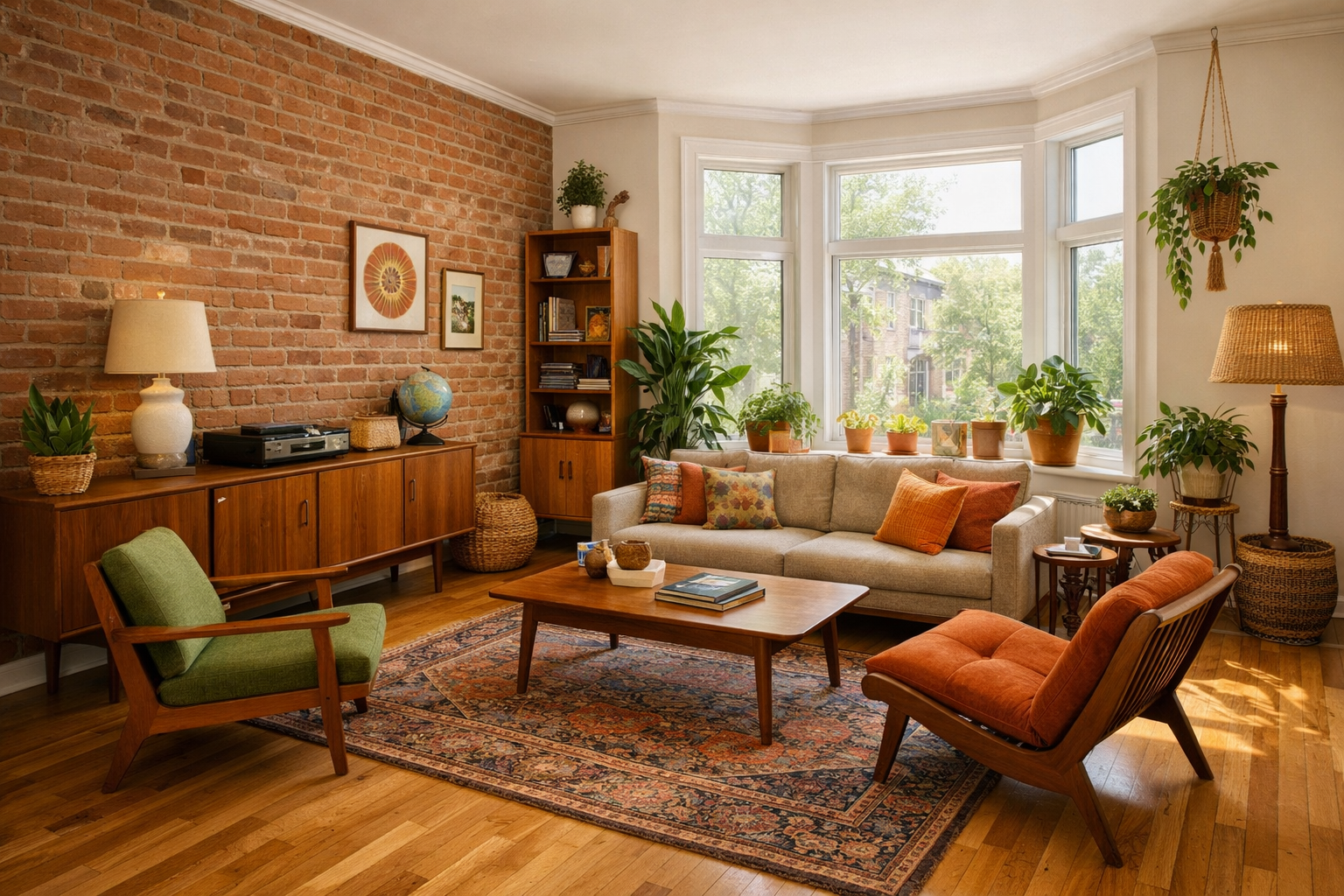
Picture this: you're climbing the stairs to your third-floor Plateau walk-up, and through the window you spot it—a Danish teak credenza catching the afternoon light at a local vintage shop. That's the magic of decorating with vintage furniture in Montreal. Every piece has a story, every find feels like a small victory, and your apartment becomes a reflection of adventures through the city's incredible second-hand scene rather than a carbon copy of a catalog page.
Decorating a Plateau apartment comes with its own delightful challenges. Those charming walk-ups mean navigating narrow staircases. The exposed brick and original moldings deserve furniture that matches their character. Small kitchens and cozy spaces require thoughtful choices. And if you're like most Montrealers, you want your home to look amazing without draining your bank account.
This guide walks you through the complete process of sourcing, selecting, and styling vintage furniture that works specifically for Plateau living. You'll learn how to measure for those notorious staircases, where to find the best pieces in Montreal, how to create a cohesive look that feels collected rather than chaotic, and most importantly, how to furnish your space sustainably and affordably. Whether you're moving into your first Plateau apartment or ready to refresh your current space, this step-by-step approach will help you create a home filled with character, history, and pieces you'll actually love living with.
The Plateau's bohemian spirit, artistic energy, and historic architecture make it the perfect backdrop for vintage furniture. Let's transform your space into something uniquely yours.
Step 1: Assess Your Space and Define Your Vintage Style
Before you fall in love with that perfect mid-century sofa, you need to understand your space intimately. Plateau apartments have personality—and quirks. Start by measuring everything. Doorways, stairwell widths, the turn radius on landings, ceiling heights, and window placements all matter when you're bringing vintage furniture into a building that might be 100 years old.
Standard Plateau staircases are typically 36 inches wide, but many older buildings have narrower passages. Measure your specific stairwell at its tightest point. Document the width of your apartment's entrance door and any interior doorways. If you have a bay window, measure that opening too—it might become your best friend when traditional entry points won't work. One couple in Mile End famously hoisted their vintage Gaetano Pesce chair through a back window when the front door refused to cooperate.
Walk through your apartment and really look at its architectural features. Those exposed brick walls aren't just beautiful—they're the perfect neutral backdrop for vintage furniture. Original crown moldings, tin ceilings, and hardwood floors are assets that deserve furniture with equally strong character. Note where natural light enters throughout the day. Plateau apartments on north-facing streets have different lighting than those facing south, which affects how wood tones and colors will appear.
Now comes the fun part: defining your style. Montreal's vintage scene offers everything from sleek Scandinavian minimalism to eclectic maximalist looks. Browse vintage furniture collections to see what makes your heart skip a beat. Are you drawn to the clean lines and light woods of mid-century modern? The warm, functional aesthetic of Scandinavian design? The raw, urban feel of industrial vintage? Or maybe you're an eclectic soul who wants to mix all of the above.
Consider your lifestyle needs honestly. Do you host dinner parties that require a substantial dining table? Are you working from home and need office space? Do you have limited closet space that requires creative storage solutions? Make a list dividing pieces into must-haves and nice-to-haves. This prevents impulse purchases that don't serve your actual life.
Create a mood board using photos of Plateau apartments, vintage furniture you love, and color palettes that appeal to you. Pay attention to the scale of furniture in images—what looks perfect in a 1,200-square-foot loft might overwhelm your 650-square-foot apartment. Use painter's tape on your floors to map out furniture footprints at full scale. That sectional you're eyeing might technically fit, but do you still have walking space?
Step 2: Set Your Budget and Sourcing Strategy
Let's talk money. Furnishing a Plateau apartment with vintage pieces can cost anywhere from a few hundred to several thousand dollars, depending on your taste and patience. The beauty of vintage shopping is that you can start small and build your collection over time—in fact, this approach often creates more interesting spaces than buying everything at once.
For a typical Plateau one-bedroom apartment, consider these budget tiers. Budget-conscious approach runs $800 to $1,500 and focuses primarily on thrift stores like EcoDepot Montreal, strategic Facebook Marketplace finds, and Montreal's famous street treasures during moving season. You'll need to be patient and willing to do some DIY refinishing, but incredible deals exist. Mid-range budget of $2,000 to $4,000 lets you mix affordable vintage shop finds with a few statement designer pieces, plus professional reupholstering for one or two key items. Splurge territory at $5,000 and up means curated designer vintage, pristine condition pieces, and perhaps working with a vintage dealer who sources specifically for you.
Whatever your budget, allocate it strategically. Put about 40 percent toward seating—your sofa and dining chairs get the most use and should be comfortable and well-made. Tables (dining, coffee, side) deserve another 25 percent. Storage pieces like credenzas and shelving units take 20 percent. The remaining 15 percent covers lighting and accents. These percentages shift based on what you already own, but they provide a solid starting framework.
Your sourcing strategy should follow a hierarchy that maximizes both value and quality. Start with weekly visits to EcoDepot Montreal. With locations in both Lachine and the Plateau at 1307 Mont-Royal East, EcoDepot receives new inventory constantly. One week you might find a perfect Danish teak credenza for a fraction of retail price, the next week a set of vintage Artemide lamps. The rotating inventory means regular visits pay off, and the prices leave budget room for those spontaneous "I can't leave without this" moments.
Local vintage shops offer curated finds where someone has done the initial hunting for you. Expect to pay slightly more, but you're getting quality-checked pieces and often interesting provenance stories. Online marketplaces like Kijiji and Facebook Marketplace require more vigilance and meeting strangers, but deals exist for the determined. Flea markets, especially Marché St-Michel on Sundays, offer the treasure-hunt experience with dozens of vendors in one place.
Don't underestimate Montreal's street finds, particularly during the late May through July moving season. Montrealers leave remarkable furniture on sidewalks—inspect carefully for structural soundness and (importantly) any signs of bed bugs, but legitimate treasures appear regularly. Some of the best vintage finds cost nothing but the effort of carrying them upstairs.
Factor in additional costs beyond purchase price. That $200 vintage sofa might need $300 of reupholstering. A $75 credenza could require $50 worth of wood conditioning and hardware replacement. Budget approximately 20 to 30 percent extra for refinishing, repairs, and any professional help you'll need.
Step 3: Master the Art of Vintage Furniture Shopping in Montreal
Timing matters in vintage shopping. Visit stores on weekday mornings when you can browse thoughtfully without crowds. EcoDepot's quieter hours let you inspect pieces carefully and chat with staff about new arrivals. Ask when fresh inventory typically appears—many shops receive donations or estate purchases on specific days. Following your favorite shops on Instagram often gives you first looks at new pieces before they hit the floor.
Learning to evaluate vintage furniture quality separates great finds from expensive mistakes. Start underneath and behind pieces. Flip chairs upside down to examine joint construction. Solid wood joinery with dovetails or mortise-and-tenon connections indicates quality that will last another 50 years. Screws and staples suggest lower-end manufacturing. Check for structural stability by gently pushing corners—wobbling means repairs needed.
Examine wood surfaces in good light. Some wear and patina add character, but deep gouges, water rings, and large veneer chips signal problems. Run your hands over surfaces to feel for rough spots or delaminating veneer. For upholstered pieces, press firmly into cushions to test firmness and check for sagging springs. Smell the upholstery—musty odors suggest moisture damage or mildew that's difficult to eliminate. Lift cushions and inspect the frame and deck underneath.
Look for maker's marks, labels, or stamps that indicate manufacturer and era. A Herman Miller label or Danish furniture maker's stamp increases both value and confidence in quality. Even without labels, certain construction details reveal origin. Danish pieces often have impeccable joinery and teak or rosewood. American mid-century pieces frequently use walnut. Italian designs favor innovative forms and mixed materials.
When you find something you love, ask the seller questions. Where did it come from? Do they know its age or maker? Has it been refinished? Understanding a piece's history helps you gauge its authenticity and value. Many vintage shop owners are passionate about what they sell and enjoy sharing knowledge.
Finding Your Vintage Furniture Treasures at EcoDepot Montreal
EcoDepot Montreal stands out as a treasure trove for anyone decorating a Plateau apartment with vintage furniture. With two locations—the Plateau shop at 1307 Mont-Royal East and the larger Lachine warehouse at 187 Rue Richer—EcoDepot offers the perfect combination of curated selection, approachable prices, and that essential element of vintage shopping: regular new arrivals that make every visit feel like a new adventure.
The breadth of inventory means you can furnish an entire apartment from one source. Mid-century modern Danish teak credenzas sit alongside Scandinavian-style dining sets. Vintage Artemide lamps (those iconic Italian designs from the 1970s) share space with industrial metal shelving units. You might discover Hans Wegner-style chairs one week and a pristine vintage leather sofa the next. The curation process ensures quality—every piece is inspected before hitting the floor—but the pricing stays accessible because EcoDepot's mission centers on sustainability and giving furniture a second life, not maximizing profit margins.
Here's what makes EcoDepot particularly valuable for Plateau apartment dwellers. The Plateau location puts you within walking distance of home, which means you can make multiple visits to consider pieces without committing immediately. That credenza you spot on Tuesday will likely still be there Thursday, giving you time to measure your space and confirm it works. The staff understands Montreal apartments and can offer practical advice about whether pieces will navigate typical Plateau staircases.
Stop by during weekday mornings for the best browsing experience. New inventory arrives weekly, so developing a regular visiting rhythm increases your chances of spotting special pieces first. The mix of everyday essentials and occasional designer finds means you can furnish both functionally and stylishly without choosing between the two. A customer recently furnished her entire 750-square-foot Plateau apartment almost exclusively from EcoDepot finds—from a teak dining set and mid-century credenza to vintage bar cart and collection of unique lamps—spending under $2,000 total. The result looked curated and intentional, with that lived-in character that only vintage furniture provides.
Beyond furniture, EcoDepot's decor sections offer the vintage accessories and lighting that transform good spaces into great ones. You'll find everything from retro table lamps and vintage mirrors to planters, artwork, and kitchen items that add those finishing touches.
Other Montreal Vintage Shopping Destinations
Montreal's vintage scene extends well beyond any single shop, and exploring multiple sources enriches your collection. Spoutnik on St-Laurent Boulevard has served Montrealers since 1998 with a jam-packed space full of finds spanning multiple eras. You might encounter 1970s lucite lamps alongside French provincial dining sets and shag area rugs, all set against bright neon walls. The owner's cat and tiny dog often make appearances.
Style Labo on St-Laurent Boulevard specializes in vintage furniture with industrial leanings—metal and wood combinations, warehouse-style pieces, and lighting that suits loft aesthetics. For smaller decor items and vintage prints, Monastiraki in the Plateau offers curated selections including artwork and accessories that add personality to walls.
The online marketplace route requires more caution but offers deals. When browsing Kijiji or Facebook Marketplace, search with specific terms like "mid-century credenza," "teak dining table," or "vintage Danish." Generic searches like "old furniture" yield overwhelming results. Meet sellers in public places or bring a friend when viewing items. Inspect carefully using the same quality checks you'd use in stores. Many Montrealers sell vintage pieces when moving, and these private sales often price lower than retail shops.
Step 4: Navigate Plateau Logistics (The Staircase Challenge)
You've found the perfect vintage sofa. You've measured it. You've fallen in love. Now comes the Plateau-specific challenge: getting it up three flights of stairs through a stairwell that seems to have been designed for significantly smaller furniture. Welcome to the reality of vintage furniture in historic buildings.
Before committing to any large piece, measure it comprehensively. Note overall dimensions, but also measure diagonally—this matters for navigating turns. Measure the depth from front to back, because you might need to tilt pieces at angles. Photograph the furniture from all sides so you can study it later while considering your stairwell's specific challenges.
Disassembly is your friend. Many vintage sofas and chairs have legs that unscrew. Some have backs that detach. Credenzas often have removable tops or drawers that come out. Ask the seller if pieces disassemble and if they have the necessary tools. Even removing cushions creates a few crucial inches of clearance. Bringing a small toolkit—Allen keys in various sizes, screwdrivers, and possibly a rubber mallet—gives you options for on-the-spot adjustments.
Map out your route before moving day. Walk from the street to your apartment and note tight spots. Is there a landing with an awkward turn? A door that swings the wrong direction? A section where the stairwell narrows? Measure these points and compare them to your furniture's dimensions at various angles. Sometimes a piece that seems too large fits when tilted on its side or stood on end.
For larger items, recruit help. Moving vintage furniture alone risks both injury and damage to pieces you've invested in finding. Fellow Plateau residents understand the struggle and often help each other. If you're hiring movers, choose ones with experience in Montreal's older buildings—they know the tricks for navigating tight spaces and have equipment like furniture sliders and straps that protect both furniture and hallway walls.
Consider the window option for truly stubborn pieces. Those generous Plateau bay windows have saved many furniture-moving situations. Some buildings have easily accessible windows above street level. You'll need rope, protective padding, helpers, and probably some problem-solving creativity, but it works. Just coordinate with neighbors and watch for power lines.
Protect your furniture during the move. Wrap wood pieces in moving blankets. Cover upholstery with plastic or sheets. Use corner protectors where possible. Also protect your building—older Plateau apartments have plaster walls that dent easily and vintage banisters that might not forgive rough treatment. Moving slowly and carefully respects both your investment and your home.
Schedule moves during weekdays if possible, when fewer neighbors are coming and going. Avoid Montreal's official moving day on July 1 unless absolutely necessary—the city becomes moving chaos and you'll compete with thousands of others for space and helpers. Many EcoDepot purchases come with delivery options for larger pieces, which solves the logistics challenge entirely and often costs less than you'd expect.
Step 5: Create a Cohesive Vintage Aesthetic
Now that you've navigated the stairs and your furniture sits in your apartment, the real creativity begins. Creating a cohesive vintage aesthetic isn't about making everything match—that's what creates those sterile, catalog-perfect rooms that feel more like showrooms than homes. Instead, you're curating a collected look that reflects your personal journey through Montreal's vintage scene.
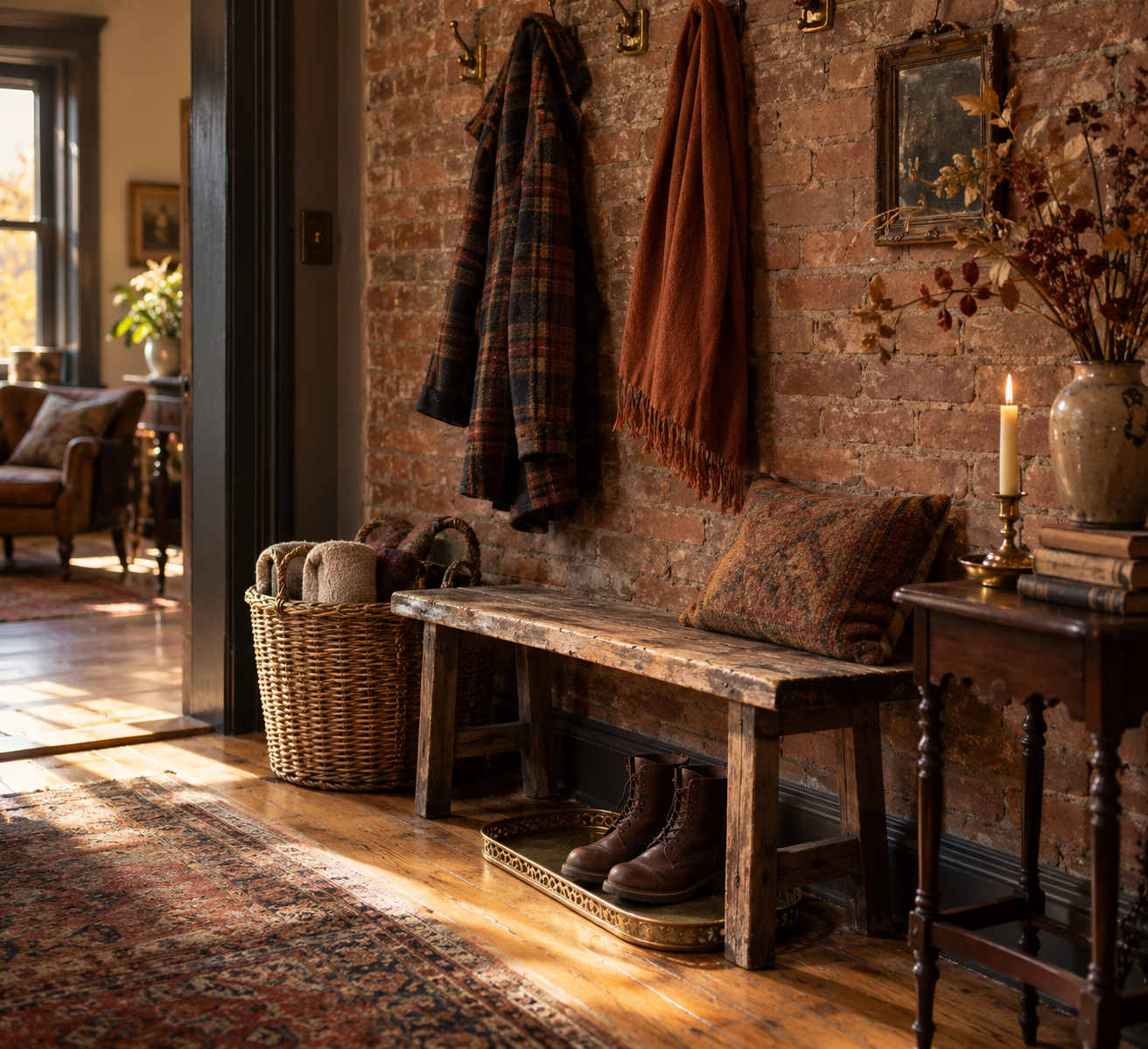
Start by working with your Plateau apartment's existing character. Those exposed brick walls are gifts—they provide texture and warmth that grounds any furniture style. White or cream walls in other rooms act as neutral canvases that let your furniture tell the story. Original hardwood floors, crown moldings, and tin ceilings add architectural interest that vintage furniture complements naturally. The key is letting these features shine rather than competing with them.
Mixing eras and styles successfully requires finding common threads. You might combine 1970s velvet seating with mid-century teak tables, but tie them together through a cohesive color palette—perhaps warm earth tones with brass accents. Or mix Scandinavian minimalism with industrial pieces, connected through clean lines and natural materials. The common thread might be wood species (all teak or all walnut), a repeated metal finish (brass or black iron), or a color family that appears throughout.
Consider these style approaches and how they work in Plateau spaces. Scandinavian minimalist vintage emphasizes light woods like teak, birch, or ash in pieces with clean, functional lines. This approach suits smaller Plateau apartments because it doesn't visually overwhelm spaces. Pair pale wood furniture with white walls, natural textiles, and plenty of plants for that bright, airy feel that counters Montreal's long winters.
Eclectic maximalist vintage embraces the collected-over-time aesthetic with pieces from various eras unified by bold use of color and pattern. This approach celebrates the treasure-hunt nature of vintage shopping—that 1960s credenza next to 1980s artwork next to your grandmother's vintage rug. It requires more curation to avoid chaos, but when done well, creates spaces brimming with personality and visual interest.
Industrial vintage suits Plateau apartments with their exposed brick and often-visible ductwork. Mix wood and metal, favor darker finishes and worn patinas, and embrace the warehouse aesthetic. This style works particularly well in Plateau apartments with minimal architectural ornamentation, letting the furniture provide the visual weight.
Pure mid-century modern with its tapered legs, geometric patterns, and teak woods remains popular for good reason—it's simultaneously retro and timeless. This style fits Plateau apartments beautifully because mid-century designers understood small-space living and created proportionally appropriate pieces.
Creating visual flow in smaller spaces requires thoughtful furniture placement. Use vintage pieces to define zones in open-plan apartments—a credenza as a room divider, a bookshelf creating separation between living and sleeping areas. Vary heights throughout rooms so your eye travels up and down rather than skating across at one level. A tall vintage lamp next to a low-slung sofa creates more interest than furniture all at the same height.
Pay attention to scale and proportion. A massive sectional might technically fit your living room but leave no breathing room. Sometimes two smaller vintage chairs create better flow than one large sofa. Consider sightlines from doorways—what do you see when entering rooms? Arrange furniture to highlight your best pieces and create inviting seating areas.
Color palette matters enormously in pulling vintage pieces together. Plateau apartments often have white or cream walls, giving you a neutral starting point. You might choose warm earth tones—browns, tans, terracotta, mustard yellow—that complement wood furniture. Or go cooler with grays, dusty blues, and sage greens. Pops of color through textiles, artwork, and accessories add personality without commitment. You can change throw pillows and plants seasonally while furniture anchors remain constant.
Layering textures prevents spaces from feeling flat. Mix smooth teak surfaces with rough linen upholstery, hard glass tabletops with soft wool rugs, cool metal lighting with warm wooden furniture. Incorporate plants—their organic shapes and textures contrast beautifully with vintage furniture's often-geometric forms.
Montreal's distinct seasons affect how you layer textiles. Summer might mean light cotton throws and breathable slipcovers. Winter calls for heavier wool blankets, sheepskin throws, and layered rugs that add both visual and literal warmth. Vintage pieces adapt well to seasonal styling because their neutral forms accept different accessories.
Don't forget lighting strategy. Vintage lighting deserves its own consideration as both functional necessity and decorative element. Layer ambient light from ceiling fixtures, task lighting from table and floor lamps, and accent lighting to highlight artwork or architectural features. The warm glow from vintage lamps transforms spaces at night, making even modest apartments feel sophisticated and inviting.
Leave breathing room. Not every surface needs an object, not every wall needs art, not every corner needs furniture. Negative space lets your eye rest and individual pieces receive proper attention. This is especially crucial in smaller Plateau apartments where too much stuff creates visual clutter and makes spaces feel even smaller.
Step 6: Source Vintage Accessories and Final Touches
Furniture establishes your apartment's bones, but accessories bring it to life. The final touches transform a furnished space into a curated home. This is where vintage accessories and decor items make their biggest impact, and where Montreal's vintage scene really shines for budget-conscious shoppers.
Vintage textiles add layers of warmth and pattern. Area rugs anchor seating areas and define spaces in open plans—look for worn Persian or Turkish rugs with faded colors that mix well with wood tones, or graphic mid-century patterns that add bold statements. Vintage wool blankets and throws draped over sofas or chairs add texture and color while serving the practical purpose of keeping you warm during Quebec winters. Mix patterns and textures, but maintain your color palette for cohesion.
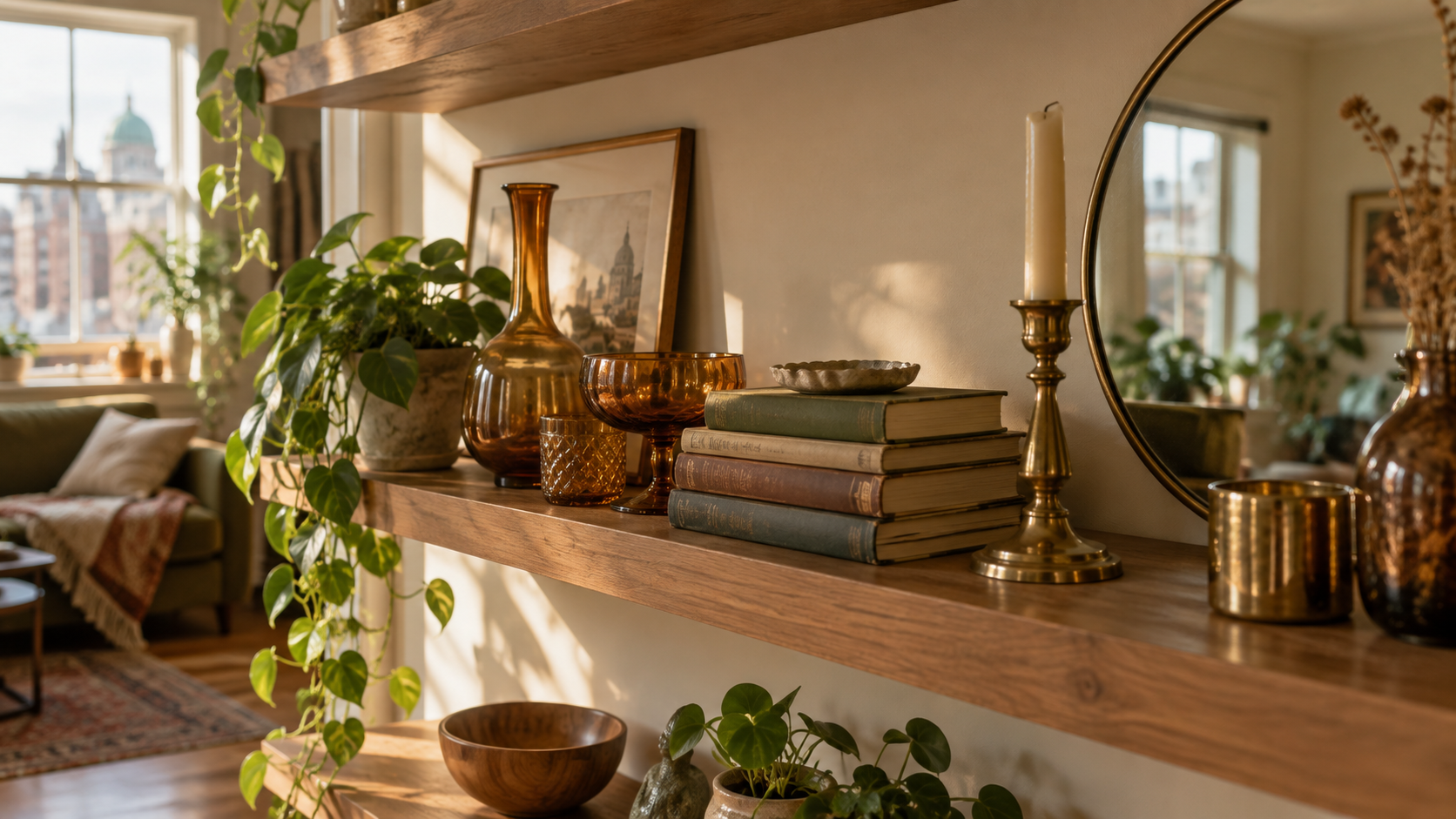
Wall decor deserves thoughtful curation. Vintage posters—whether mid-century travel prints, concert posters, or advertising—add graphic interest to white walls. Vintage mirrors, especially those with interesting frames in brass, wood, or organic shapes, reflect light and make smaller Plateau apartments feel larger. Open shelving displays collections of vintage objects, books with beautiful spines, or plants in vintage planters. The key with wall decor is varying heights and creating visual triangles rather than lining everything up symmetrically.
Vintage lighting transforms spaces both functionally and aesthetically. Floor lamps with arched arms extend light over seating areas without requiring side tables. Table lamps in brass, ceramic, or glass add ambient lighting while serving as sculptural objects during daytime. Pendant lights or chandeliers make statements in dining areas. Hunt for iconic designs like Artemide Tolomeo lamps or Danish cord-wrapped pendants, but also embrace quirky finds—a 1970s ceramic lamp might become your favorite piece.
Kitchen and dining accents bring vintage style into functional spaces. Vintage glassware—colored glass tumblers, etched cocktail glasses, or mid-century barware—adds personality to open shelving. Vintage dishes in patterns like Pyrex or FireKing bring retro charm to everyday use. Serving pieces, cutting boards, and kitchen tools in wood or vintage enamel combine utility with aesthetics. These smaller items cost less than furniture but significantly impact your space's overall feel.
Plants in vintage planters marry natural and retro aesthetics beautifully. Hunt for ceramic planters in earth tones, hanging macramé holders (very 1970s), or brass standing planters. The organic shapes and living textures of plants contrast with vintage furniture's often-angular forms, softening spaces and improving air quality.
Books and collections add personality that reveals who you actually are. Vintage books with beautiful covers become decorative objects. Collectibles related to your interests—vintage cameras, vinyl records, pottery, travel souvenirs—displayed thoughtfully tell your story. The rule of three applies here: groupings of three objects create visual interest, while solo items can appear orphaned and even-numbered groups feel formal.
Shopping for accessories allows flexibility that furniture shopping doesn't. You can build accessory collections gradually, swapping items seasonally or as your taste evolves. EcoDepot's rotating decor inventory means finding new treasures during regular furniture browsing. Flea markets excel for smaller items—spending $50 at Marché St-Michel can yield armfuls of vintage treasures. Local print shops like Monastiraki specialize in vintage posters and artwork.
Style accessories using the principle of height variation. Stack vintage books to create different levels. Use risers or small boxes under objects to create platforms. Lean artwork against walls rather than hanging everything for a more casual, collected feel. Group items in odd numbers. Embrace negative space—a beautifully styled shelf has as much empty space as filled.
Montreal-specific touches root your space in place. Vintage French signage, Quebec-made pottery from local artisans, or prints of Montreal landmarks celebrate where you live. Supporting local artists (as the couple in the Mile End apartment did by commissioning their friend's large abstract canvas) connects your space to Montreal's creative community.
Rotate smaller accessories seasonally. Summer might feature lightweight textiles and fresh flowers. Fall brings warmer tones, textured throws, and perhaps vintage candleholders. Winter embraces maximum coziness with layered textiles and warm lighting. Spring offers opportunities to lighten up with pastel accents and minimal styling. This rotation keeps spaces feeling fresh without requiring furniture changes.
Step 7: Maintain and Evolve Your Vintage Collection
Vintage furniture has survived decades already—proper care ensures it lasts decades more. Different materials require specific maintenance approaches. Wood furniture thrives with regular conditioning using products appropriate to the finish. Oiled teak needs periodic re-oiling with teak oil. Lacquered or sealed woods benefit from furniture polish. Avoid placing wood pieces near heating vents or in direct sunlight, which causes drying and fading. Use coasters religiously—water rings are the enemy of vintage wood.
Leather requires conditioning to prevent drying and cracking. Clean with products designed for leather, then apply conditioner several times yearly. Embrace some patina—worn leather tells stories and adds character. Address small tears quickly before they worsen. Consider professional restoration for valuable vintage leather pieces showing significant wear.
Vintage textiles need gentle cleaning. Many vintage upholstered pieces benefit from professional cleaning rather than DIY attempts. Vacuum regularly using upholstery attachments to prevent dust buildup. Address spills immediately with appropriate cleaning methods for the fabric type. Rotate cushions to distribute wear evenly. Some vintage textiles, especially those from the 1960s-70s, contain fragile fibers that don't tolerate modern washing machines.
Metal finishes present choices between polishing and embracing patina. Brass and copper develop beautiful patinas over time—many people prefer aged finishes to shiny new appearances. If you want shine, use appropriate metal polishes, but know you're removing the patina that aged the piece. Chrome and stainless steel usually benefit from polishing to restore their intended finish.
Simple repairs and touch-ups keep vintage pieces functional. Tighten loose screws and joints before they worsen. Replace missing hardware with period-appropriate alternatives from hardware stores or vintage sources. Touch up small scratches in wood with matching stain markers or wood filler. Learn basic upholstery repairs for small tears. These minor maintenances prevent larger problems and keep pieces looking their best.
Know when to hire professionals. Structural repairs to frames, reupholstery jobs, and refinishing projects often exceed DIY capabilities. Montreal has skilled furniture restorers, upholsterers, and refinishers who understand vintage pieces. For valuable or sentimental items, professional work ensures proper treatment. Factor these costs into your budget when purchasing pieces needing work.
The question of refinishing versus embracing patina requires personal judgment. Some wear adds character and authenticity. Over-restoration can remove the vintage appeal that attracted you initially. Light scratches, slight fading, and minor wear tell stories and prove authenticity. Significant damage, structural issues, or finishes too worn to protect the wood underneath justify refinishing.
Your vintage collection should evolve as you do. Starting with essential pieces and building over time creates more interesting spaces than buying everything at once. You might begin with a dining table and sofa, adding credenza and chairs as you find perfect pieces. This gradual approach also spreads costs and allows your style to develop naturally.
As you find pieces you love more, previous items can move on. Selling or donating pieces you've outgrown continues the cycle that brought them to you. Montreal has active vintage resale markets—what you bought at EcoDepot might resell through Facebook Marketplace or return to a vintage shop when it no longer serves your space. This circular approach keeps furniture in use rather than landfills.
Season changes offer opportunities for refreshing with smaller pieces. Swap textiles, rotate artwork, change plants. Move furniture occasionally to prevent wear patterns and give yourself a fresh perspective. The beauty of vintage furniture is its adaptability—quality pieces work in multiple contexts and styles.
Continue hunting even after furnishing your main pieces. EcoDepot's weekly new arrivals mean you might discover the perfect lamp or chair that elevates your space. The treasure-hunt aspect of vintage shopping remains fun long after initial furnishing. Some people find vintage collecting becomes an ongoing passion rather than a one-time project.
Common Mistakes to Avoid When Decorating with Vintage Furniture
Even experienced vintage shoppers make mistakes. Learning from others' errors saves you money, frustration, and that sinking feeling of realizing your perfect find doesn't actually work in your space.
Buying without measuring ranks as the most common mistake, particularly in Plateau apartments where staircases and doorways can defeat even well-planned purchases. Measure twice, buy once isn't just a saying—it's survival advice for vintage furniture shopping in historic buildings. Always measure furniture in the store, your doorways, your stairwell, and the intended placement location. Account for baseboards and radiators that reduce usable floor space.
Ignoring structural issues for a good price creates expensive problems later. That $50 credenza needs $200 in repairs, it wasn't actually a deal. Wobbly joints, split wood, and broken hardware all signal issues. Some repairs are simple and worthwhile. Others indicate fundamental problems that exceed the piece's value. Be honest about your DIY skills and budget for professional repairs when evaluating whether a damaged piece makes sense.
Over-matching everything creates spaces that look staged rather than lived-in. You don't need all your wood furniture to match in species and finish. In fact, mixing woods—teak with walnut, oak with maple—adds visual interest. Similarly, don't feel compelled to buy complete matching sets. Six non-matching vintage dining chairs, unified by similar height and refinished in complementary tones, create more interesting dining spaces than matched sets.
Neglecting comfort for aesthetics leads to rooms you don't actually want to spend time in. That gorgeous mid-century sofa isn't worth it if the seat depth is too shallow or cushions are rock-hard. Vintage chairs might look amazing but if they're uncomfortable, you won't use them. Test furniture for comfort. Sit in chairs. Lie on sofas. Open drawers and doors. Functionality matters as much as beauty.
Buying too much too fast overwhelms spaces and doesn't allow for the considered, collected approach that creates the best vintage interiors. Start with essential pieces and live with them before adding more. You might discover your initial color palette doesn't work as you'd envisioned, or that you need different storage solutions than originally planned. Patience in building your collection results in better-curated spaces.
Forgetting functional storage needs leads to cluttered spaces regardless of how beautiful your furniture is. Plateau apartments often have limited closets. Winter gear, kitchen items, clothing, and general life stuff needs homes. Factor storage into furniture selection—credenzas, shelving units, and storage benches solve practical needs while serving aesthetically.
Plateau-specific mistakes include not accounting for heating radiators, which occupy wall space and can't have furniture directly against them. Oversized furniture in small spaces creates cramped feelings regardless of technical fit. Forgetting about Montreal's winter gear storage means coats and boots pile up. Not considering natural light patterns affects how wood tones and colors appear throughout the day.
Budget mistakes compound over time. Spending your entire budget on one statement piece leaves nothing for essential seating or storage. Not factoring in refinishing costs means that "affordable" piece becomes expensive once you pay for professional work. Impulse buying without an overall plan creates disjointed spaces. Skipping quality checks to save money often means replacing pieces sooner.
Style mistakes include following trends over personal taste, which results in spaces that feel borrowed rather than yours. Trying to replicate catalog or magazine looks exactly rarely works—those spaces are styled for photography, not living. Not mixing vintage with some practical modern pieces (like a comfortable mattress or reliable refrigerator) prioritizes aesthetics over livability. Overcrowding small spaces makes them feel smaller.
Avoiding these mistakes requires discipline and planning. Always measure. Always inspect quality. Create vision boards before shopping so you understand what you're looking for. Visit EcoDepot multiple times before committing to large purchases—seeing pieces in different light and context helps you make better decisions. Trust your instincts about comfort and livability over theoretical aesthetic perfection. Remember you're creating a home, not a museum display.
Create Your Vintage Plateau Home
Decorating your Plateau apartment with vintage furniture represents more than a design choice—it's a commitment to sustainability, individuality, and creating a home that actually reflects who you are. Every piece you source tells a story. That Danish teak credenza survived decades before finding its way to you. The mid-century lamp illuminated someone else's home long before lighting yours. These objects carry history and character that mass-produced furniture simply can't match.
The process requires planning, patience, and willingness to hunt for perfect pieces rather than settling for immediately available options. Success comes from understanding your space's specific challenges, setting realistic budgets, learning to evaluate quality, and developing a vision that guides your choices. Montreal's incredible vintage scene rewards this effort with furniture that combines sustainability, affordability, and uniqueness—the three elements that make vintage decoration so compelling.
Your Plateau apartment deserves furniture with soul. Those exposed brick walls need pieces that honor the building's history. Those narrow staircases, while challenging, ultimately lead to spaces filled with furniture that no one else has. The small rooms, limited storage, and quirky layouts become assets when furnished with vintage pieces scaled appropriately and chosen thoughtfully.
Start your collection gradually. Visit EcoDepot's Plateau location regularly to see new arrivals. Explore Montreal's flea markets on lazy Sunday mornings. Measure carefully and inspect thoroughly. Mix eras and styles guided by color palettes and common threads. Layer textures and vary heights. Leave breathing room for your eye to rest. Most importantly, trust your instincts about what you love.
Vintage decorating is a journey, not a destination. Your space will evolve as you find new pieces, as your style develops, and as your life changes. That's the beauty of it—you're curating a living collection rather than completing a one-time project. Each visit to your favorite vintage shops brings possibility of discovery. Each carefully chosen piece elevates your space while respecting the planet.
Follow @ecodepotmontreal on Instagram for first looks at new inventory, styling inspiration, and to see how other Montrealers are creating beautiful spaces with vintage furniture. Your dream Plateau apartment starts with one perfect vintage piece.